
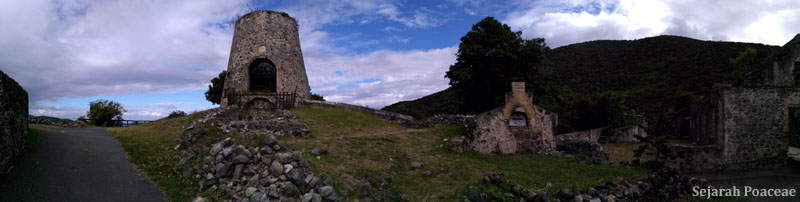
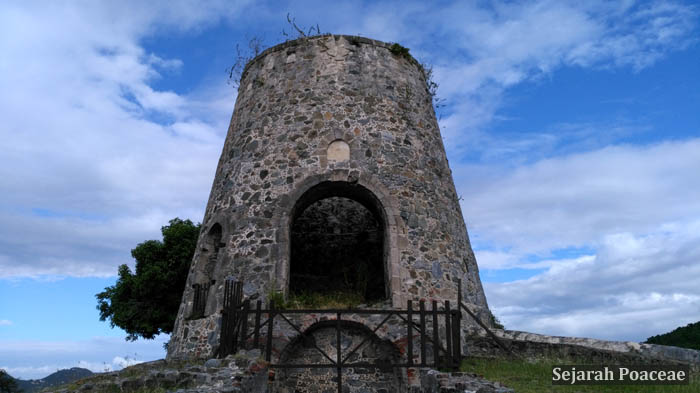
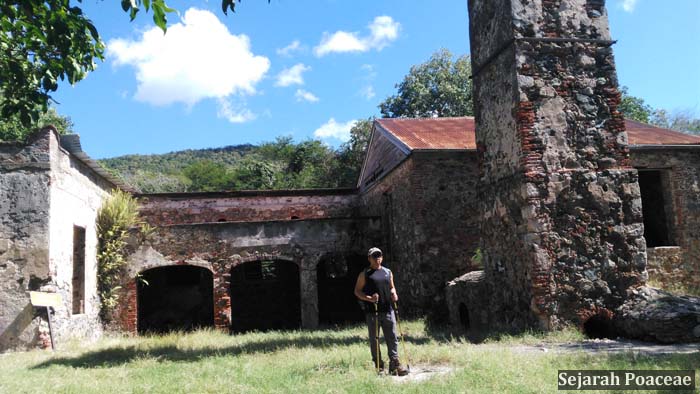
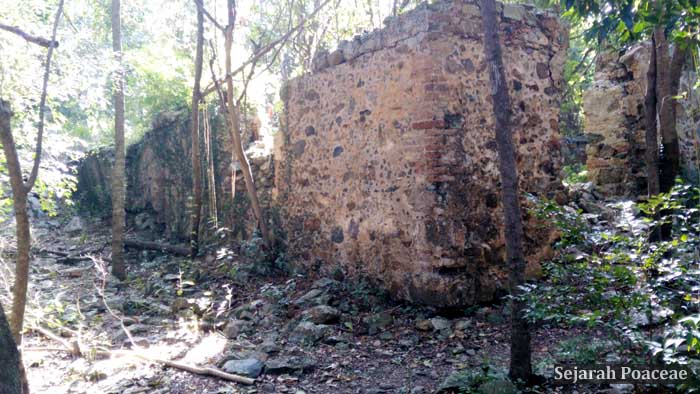
During hikes in Virgin island National park in St. John, US Virgin islands, we sometimes encountered the ruins of old structures that had been reclaimed by the surrounding flora. Many were just groups of aged stone that seemed to rise pitifully up from the vegetation, as if thrown haphazardly like the toy blocks of some gigantic toddler. These were the remnants of sugar plantations, and a reminder of a dark and tragic past full of barbarism, suffering, and death.
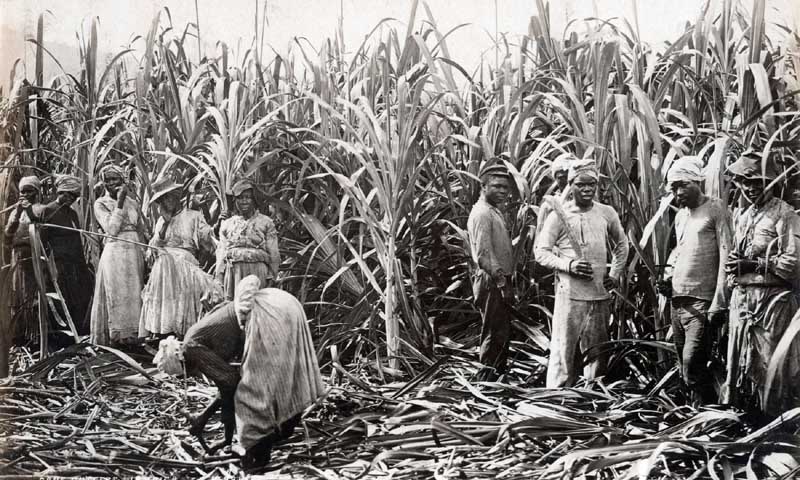
Before sugar, Europeans mostly used honey as sweetener, but sugar became highly sought after it had been brought over from the Middle East in the 12th century. It was so highly prized that it was called “white gold”, and when Christopher Columbus sailed into the Americas on his second voyage, he brought with him in the late 15th century seedlings of the grass species Saccharum officinarum.
This grass is commonly known as “sugarcane” in some parts of the world, and the humid climate and rich soils of this new home were perfect for the species’ rapid growth. Its entry into the continent marked the beginning of a centuries-long descent into slavery for millions of people, and the creation of a huge economic boom in Europe that might have helped power the industrial revolution.
The difficulty in growing, harvesting, and then processing the sugar was the problem. This process required an enormous amount of manual labor, and when combined with the tropical heat that was the optimal condition for the species, it was an activity that was extremely arduous, dangerous, and deadly.
When the local native populations and immigrants from Europe both proved unable to provide this required labor, slaves started to be imported from Central and West Africa in staggering numbers. Many were captured and enslaved by non-Europeans from the interior and brought overland to waiting European (and American) ships. There they sometimes had to wait in crowded holds for weeks or even longer before the ship even sailed.
More than 12 million slaves were shipped from Africa, and the conditions during the trans-Atlantic voyage were so inhumane that more than 2 million never made it alive at the other end of the voyage. And the sad thing about it was that their suffering was only just beginning even after they survived the journey.
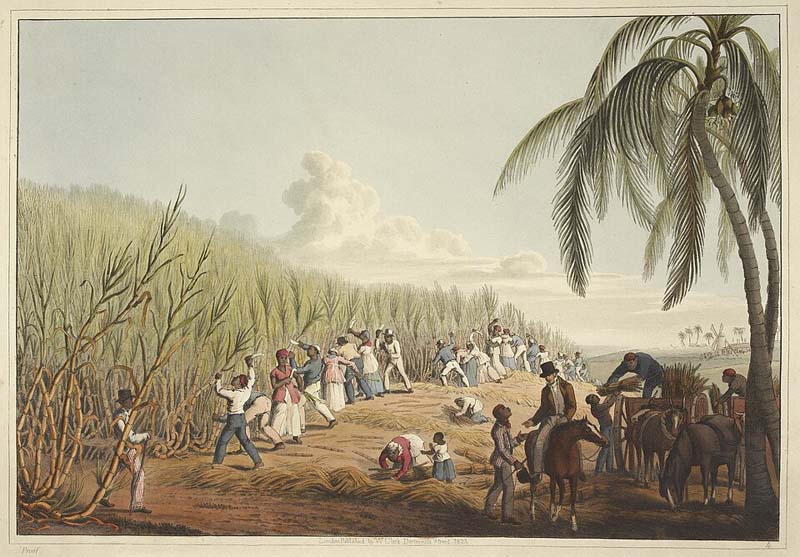
Around 70% of all the slaves imported into the Americas worked the sugar plantations. These slaves had to clear the land, plant the crops, tend to the large tall grasses, and cut the cane by hand in punishing tropical heat. Because the cut cane spoiled quickly, the canes had to be crushed and boiled down into raw sugar and molasses immediately after harvest. It was an industrial level process where accidents, diseases, malnutrition, brutal beatings, and extreme physical exhaustion resulted in very high death rates and a life expectancy for slaves that was estimated to be a mere 7 to 10 years after their arrival. In fact, life was so cheap in these sugar plantations that it was said that some plantation owners worked slaves to death and then bought replacements instead of providing medical care, because the former was more economically feasible.
I have to admit that seeing the ruins during our hikes in the Caribbean could not convey the full emotional impact of the crimes perpetuated in the name of sugar during those times, but stories about the evils of slavery need to be told again and again, lest we forget and commit such atrocities again in the future.

Leave a Reply