
It seems ironic that the namesake of the cosmopolitan Bermudagrass (Cynodon dactylon) is actually bereft of any native grasses at all.
We visited the island of Bermuda earlier this month, and the first grass I encountered at the cruise dock was….wait for it…bermudagrass!
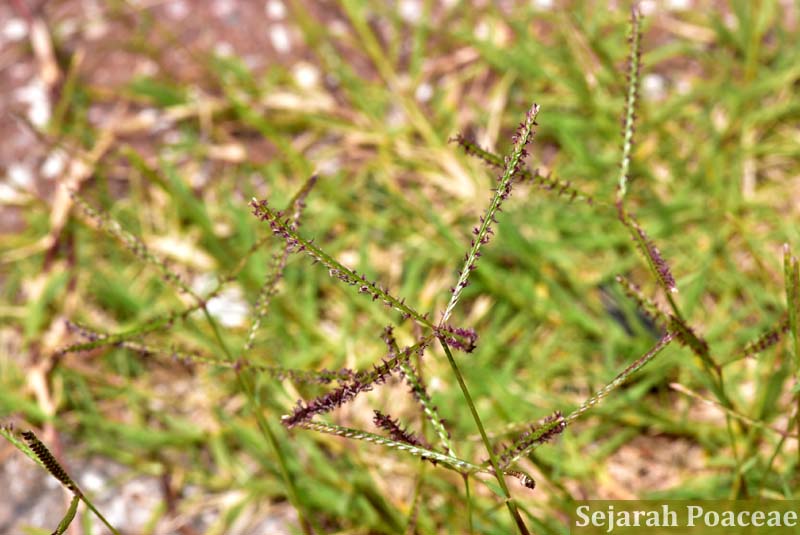
Although C. dactylon is actually native to the old world, it picked up its common name in the United States when it was introduced to the country from the island of Bermuda.
Bermuda itself seems to lack any endemic and even native member of the Poaceae, so all the grasses that shrouded this island were all introduced, which is a rather common situation in many isolated islands perhaps.
In fact, pick an invasive species, and it’s probably in Bermuda.
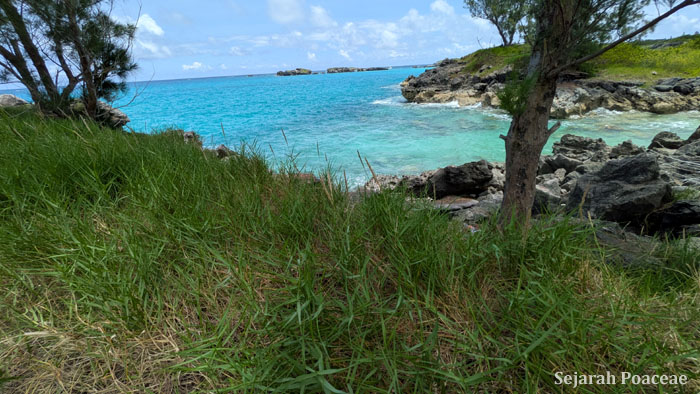
We spent the day near Cooper’s Island Nature Reserve in the eastern part of Bermuda, which had probably the most amazing and beautiful group of beaches in the territory (in fact, if you ever do visit, I’d highly recommend it over any of the more crowded beaches to the west). Gigantic Arundo donax were scattered around the beaches, their tall culms towering above us.
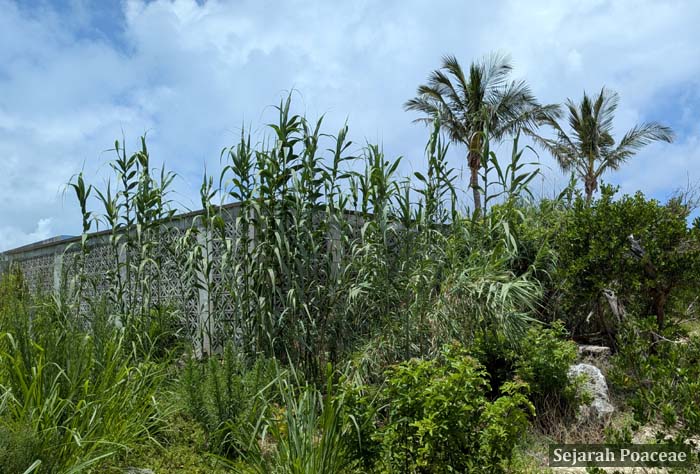
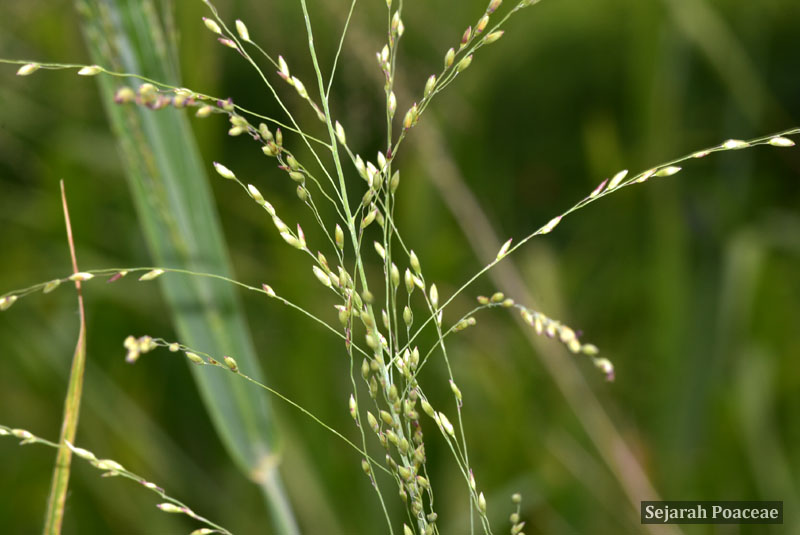
Megathyrsus maximus, another cosmopolitan invader, occupied the spaces right below A. donax,
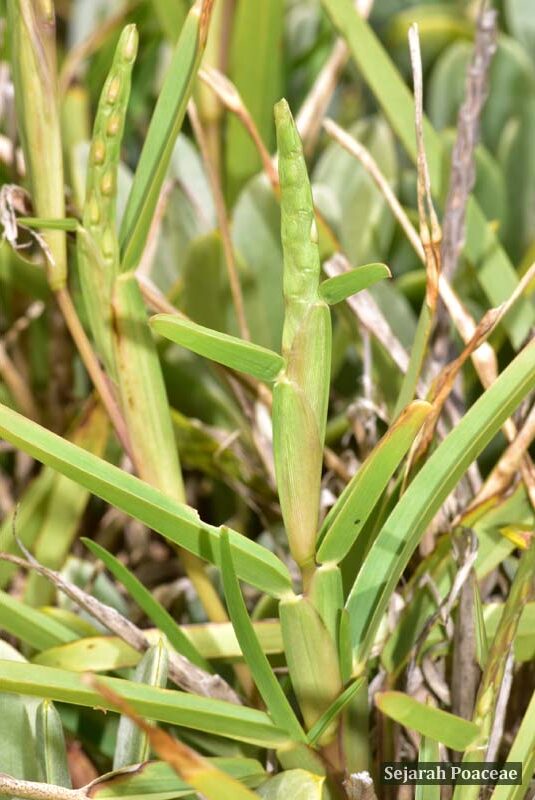
Somewhat surprisingly, I also found Stenotaphrum secundatum near the beaches. This is commonly called St. Augustine grass in the USA, and is heavily used as turf grass in southern states. I can only imagine that these beach dwellers in Bermuda had escaped from some lawns and now lived the good life sunning themselves next to the sea.
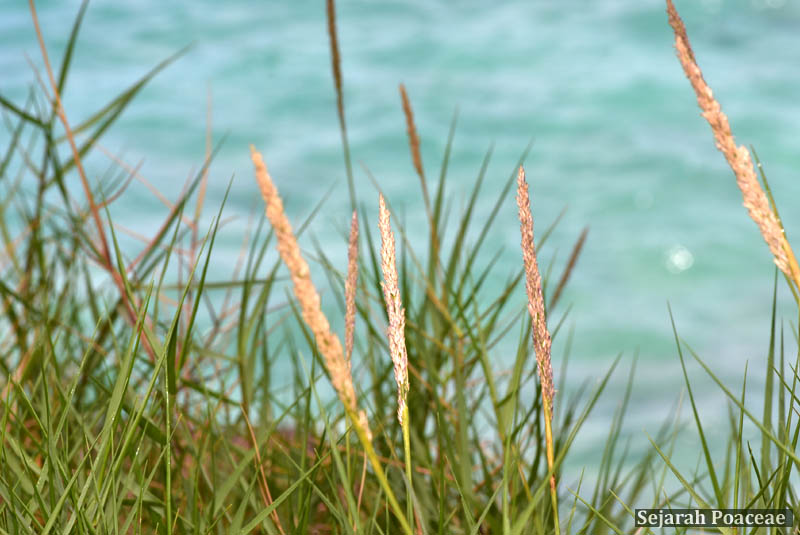
And speaking of beach bums, the ubiquitous Sporobolus virginicus was also in evidence in the Bermuda beaches. I have become quite fond of this species when in the Galapagos, and here they were again to greet me.
Actually, now that I think about it, this species is obviously native, given its propensity to spread to any and all beach areas around the world even before the hands of men decided to endow the world with sundry exotic species.
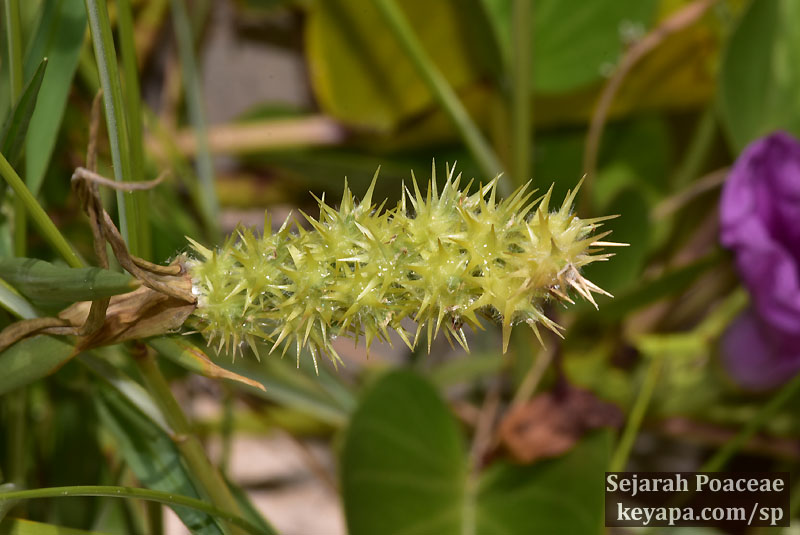
I also encountered a few Cenchrus sandburs, their spiky inflorescence unmistakable and quite intimidating.
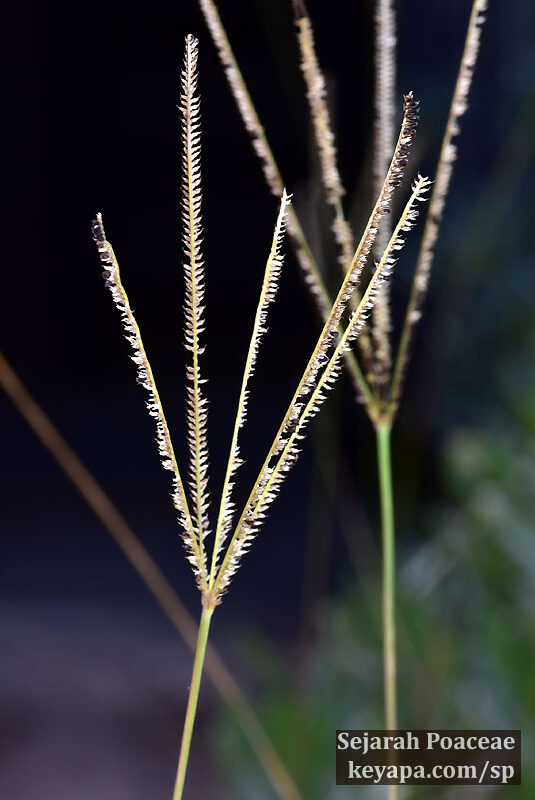
In another beach area we encountered Eustachys petraea near an observation tower. This species on first look seems like Chloris barbata, but is basically awnless.
One species that I only saw once, but which made an impression on me was Paspalum urvillei. I am used to the turf grass Paspalum notatum in the southeast USA, but seeing Paspalums that were relatively tall is always a surprise.
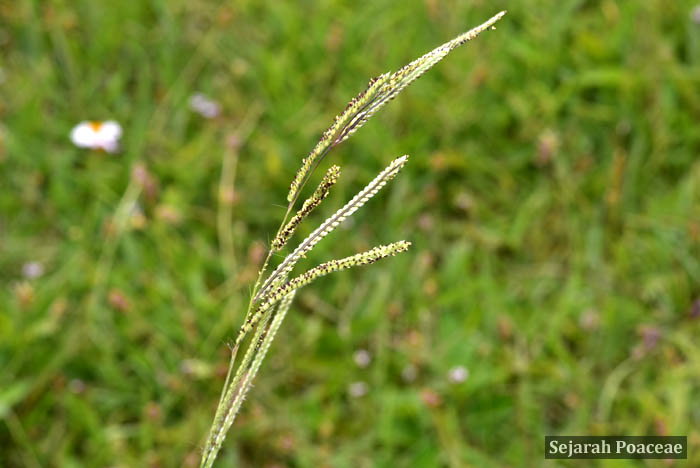
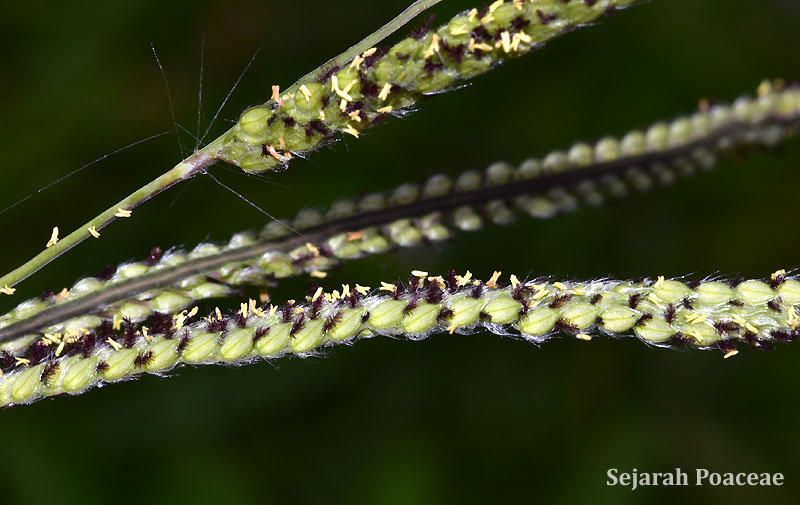
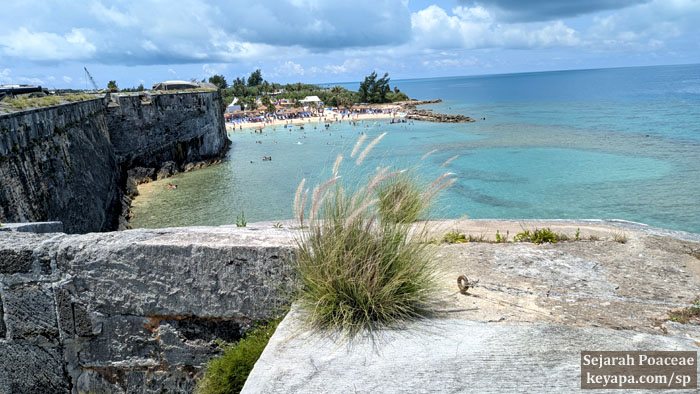
Finally, perhaps emblematic of the dominance of invasive grasses in Bermuda, the Royal Dockyard in the west of the territory is full of the ornamental invasive Cenchrus setaceus (commonly known as fountain grass in the USA).
This handsome species was all over the area, and even growing from the walls!
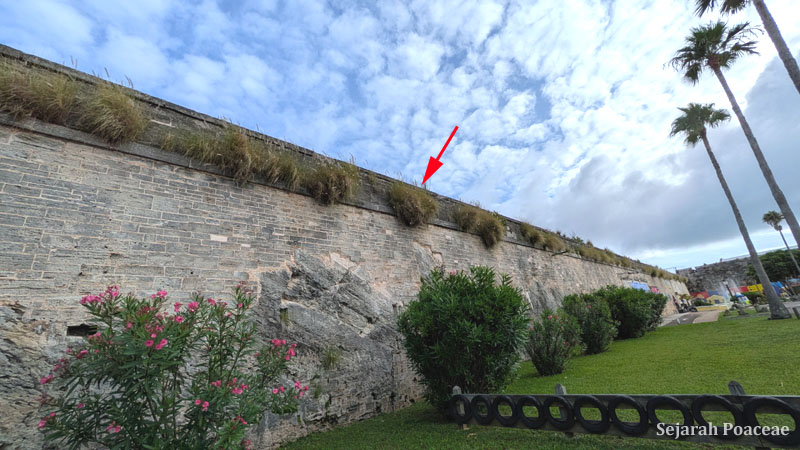
The grounds of the Keep in the National Museum of Bermuda grounds were also dominated by dense stands of this grass.
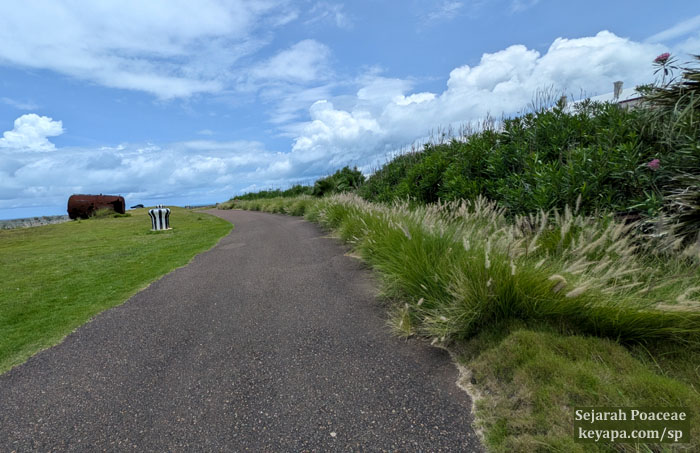
It shared the spotlight with another exotic grass that is probably just as cosmopolitan as it is.
Zoysia matrella (Manila grass) dominated the low ground and sides of the walls. This common but attractive turf grass is again one I have seen in the Galapagos, but was probably also introduced here for lawn purposes.
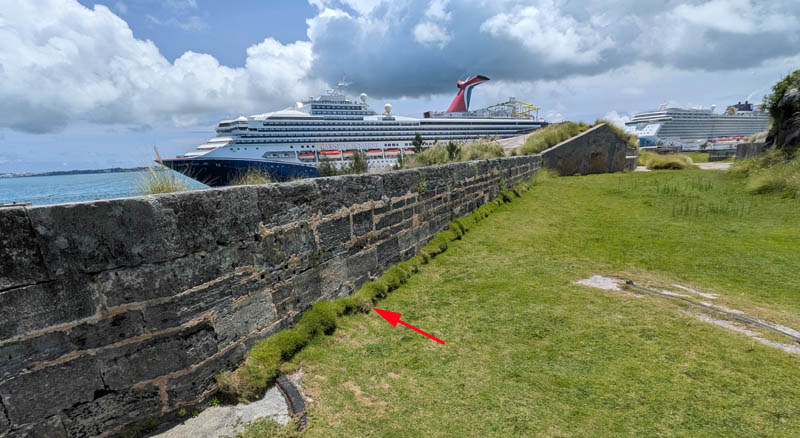
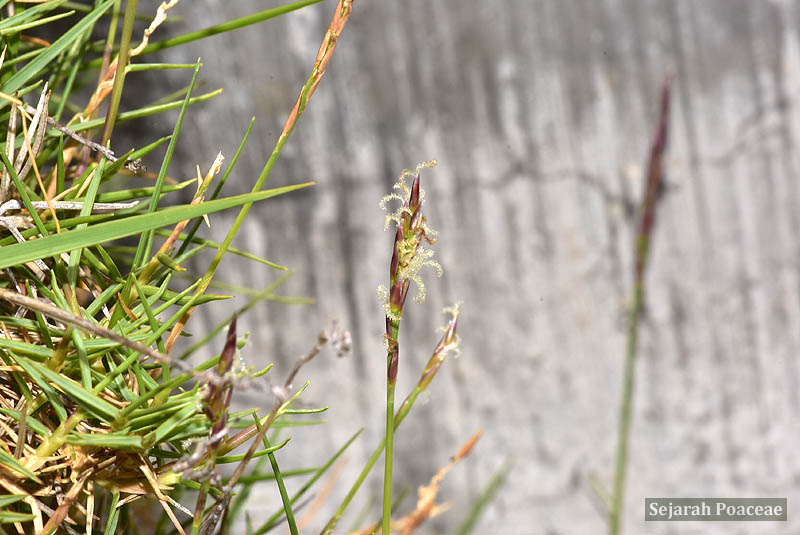
The fact that the Keep in the museum was once a fort that protected the British territory from possible invasion makes it even more ironic that it is now occupied by these grassy invaders. Oh, how the British Empire has fallen!
Leave a Reply