
Important: Unfortunately, due to damage to my flash during the hike at the Sherpa Steps or Nordkapptrappa (North Cape Staircase), in Honningsvåg, macrophotographs taken were of subpar quality, especially when lighting was low.
After our stay in Longyearbyen in Svalbard, we headed south and west to the isolated island of Iceland, which in the past had been settled originally by Vikings and their captured Irish slaves.
I’ve been to this country before, and I have always been fascinated by their culture, and especially their language. The Icelandic language had been shielded from the modernizing influences of other European languages such as Norwegian until recently, and so it is a big mess of complicated grammatical rules and terms. It is also the most closely related to the old Viking languages, as well as other older Germanic languages, such that Icelanders can still understand (to a point) writings from that old era, including Old English (which they understand better than native English speakers today). The land itself is harsh but beautiful, a volcanic landscape that was unlike anywhere else I’ve been when I first visited it.
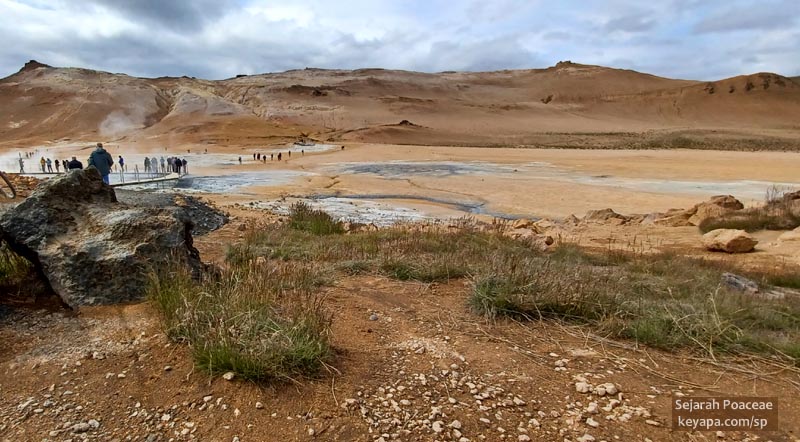
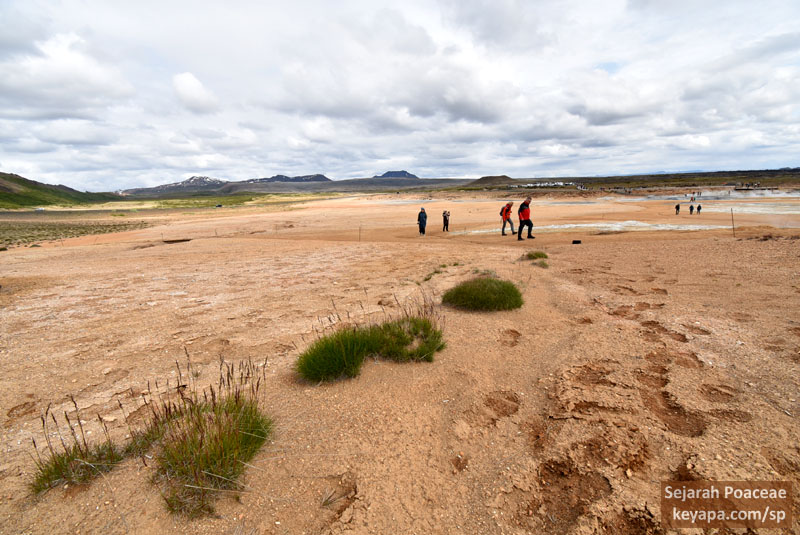
Our first stop was at the cruise port at Akureyri, in Nothern Iceland, where we rented a car and drove to Hverir, a geothermal area located next to Lake Myvatn. Hverir is replete with steam vents (fumaroles), which release hot steam into the air. It also has bubbling mud pools, and there aren’t a lot of living organisms visible on first look, except for a rhizomatous grass species that I tagged as Festuca rubra.
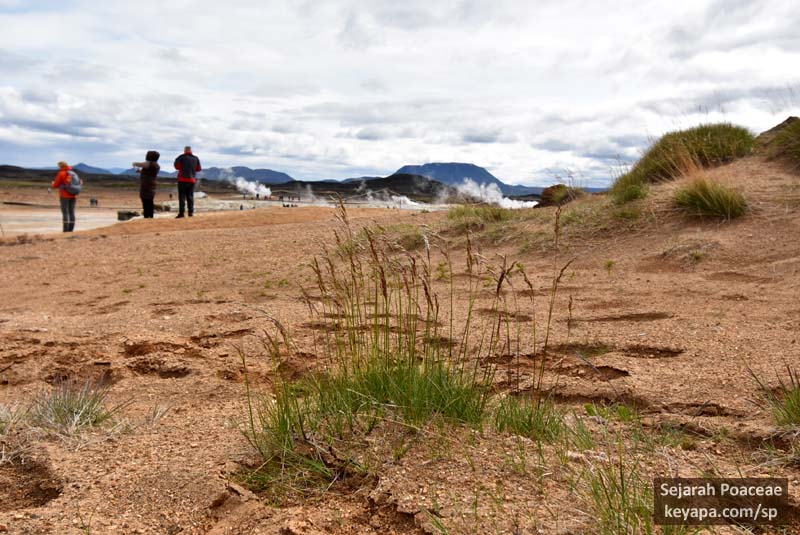
This cool season C3 grass is from the subfamily Pooideae, and the acidic soil in the area probably goes a long way towards making it feel right at home. It stood in large lawn-like clusters farther away from the geothermal-active areas, but was present in smaller groups even within the otherwise barren portions near the steam vents and mud pools.
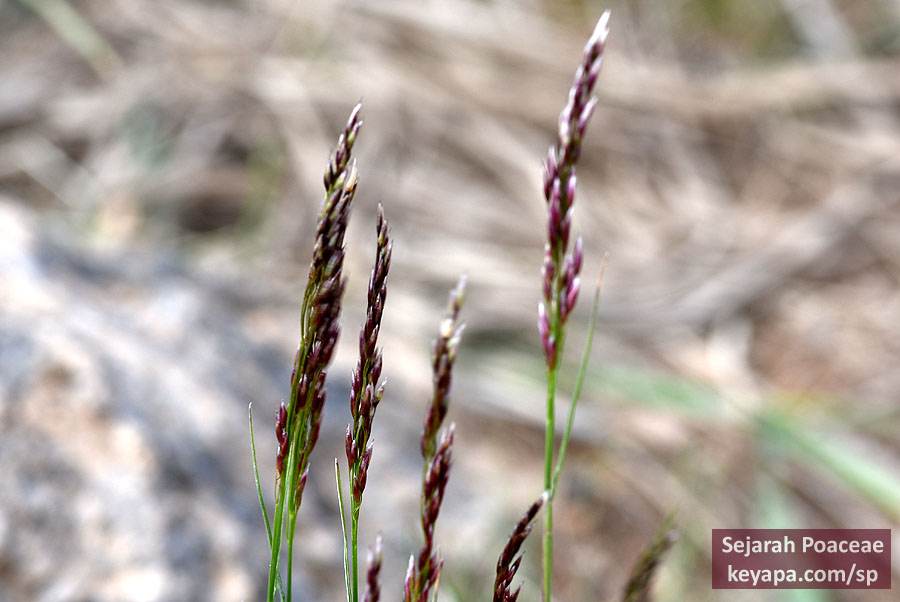
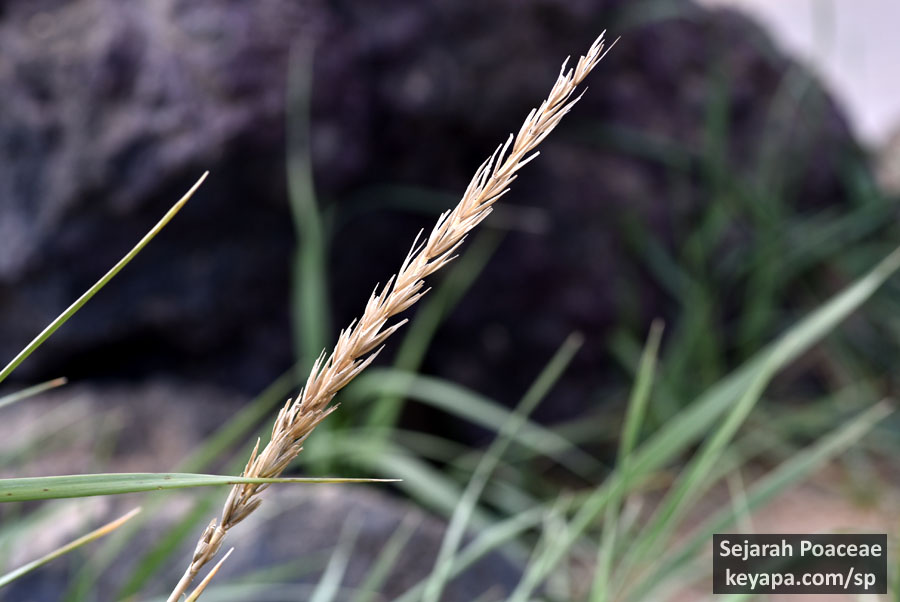
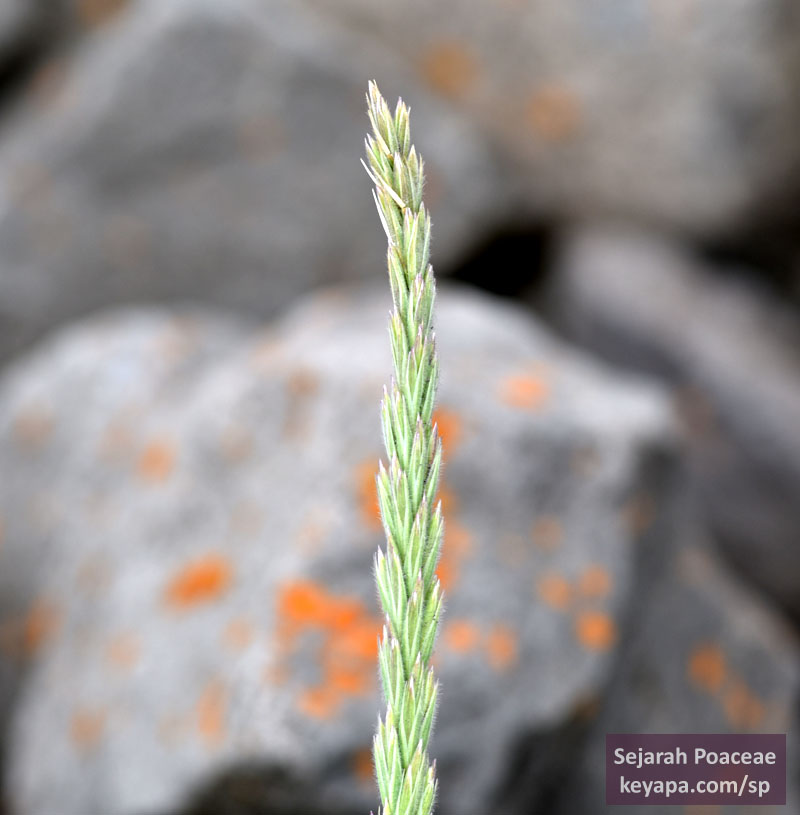
But what interested me more was a larger grass species that grew in a rocky outcrop in the area. This species had notable blue-green leaves and spike-like inflorescence, and were examples of the major dune building grass species in Europe, Leymus arenarius.
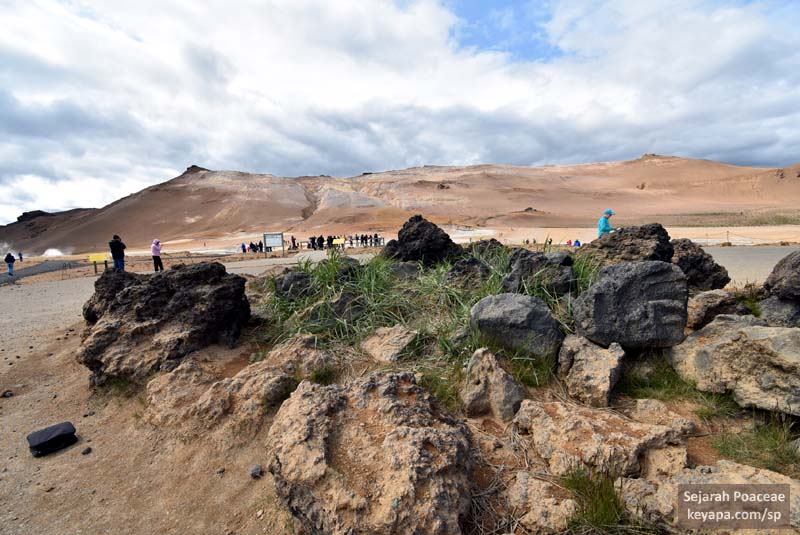
This species is typically seen in the coastal regions, but in Iceland they can be found inland as well. This particular specimen in Hverir was the first example of L. arenarius that I had seen in the wild, and I was pretty ecstatic about my find.
Leymus arenarius is again a cool season C3 species of the subfamily Pooideae, as were all the other grasses I have seen so far, and it is sand loving or psammophilic. It is very distinctive, a handsome species, and when i first saw it I had a eureka moment and had no problems identifying it. This species was one of the first to colonize the newly-emerged volcanic island of Surtsey in 1963 (Magnusson et al, 2014)
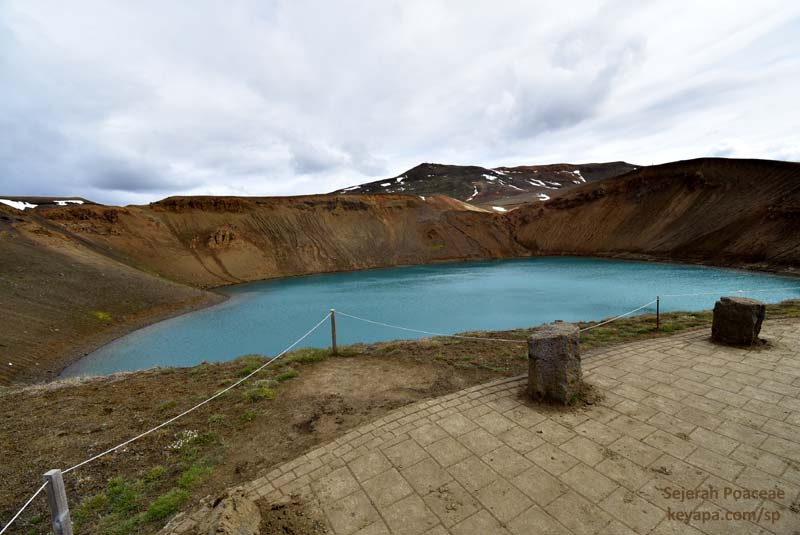
After Hverir, we also visited the Krafla volcanic caldera to the northeast. In this area, we toured the beautiful crater of Viti, which contained tranquil blue-green waters, and featured a few more grass species.
One of the more interesting species was a gorgeous Poa alpina specimen with purple inflorescence lying alongside the path around the crater.
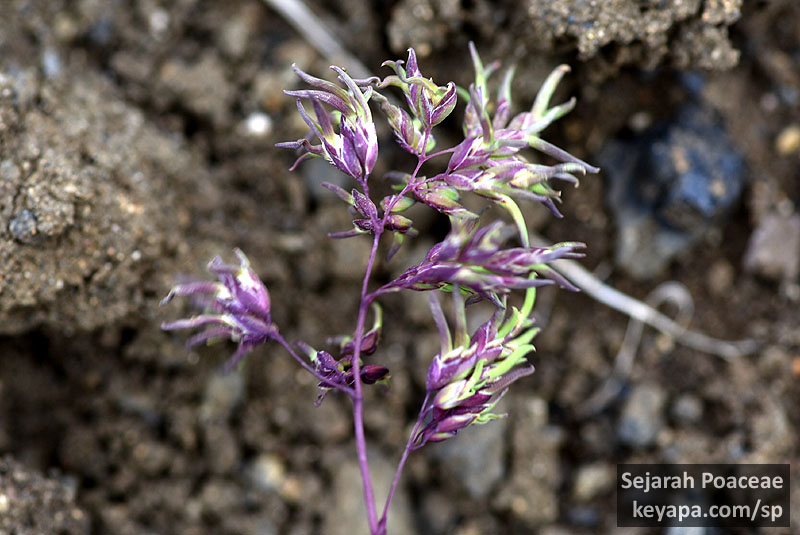
The specimen had an unusual inflorescence, with clonal bulbils rising out of it instead of the usual flowering parts. This method of reproduction is called pseudo-vivipary, and it allows the plant to skip the vulnerable part of germination. The bulbils detach from the mother plant when ready and are already photosynthesizing and relatively large by that time.
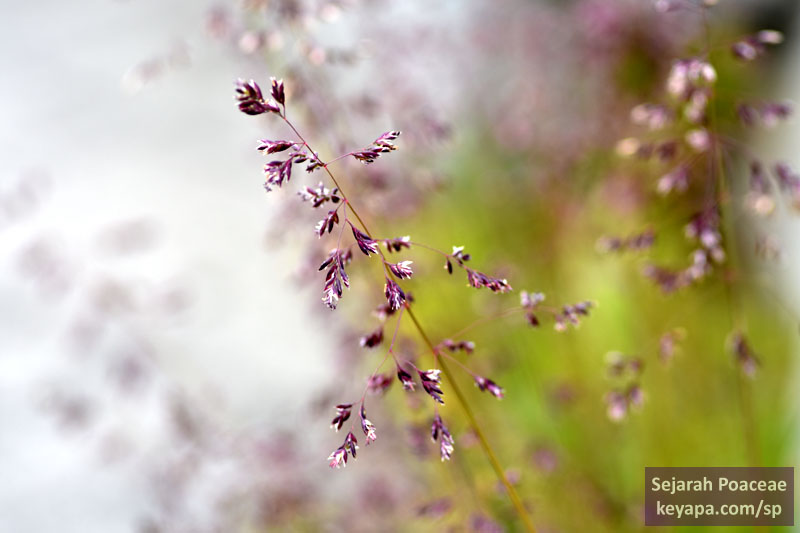
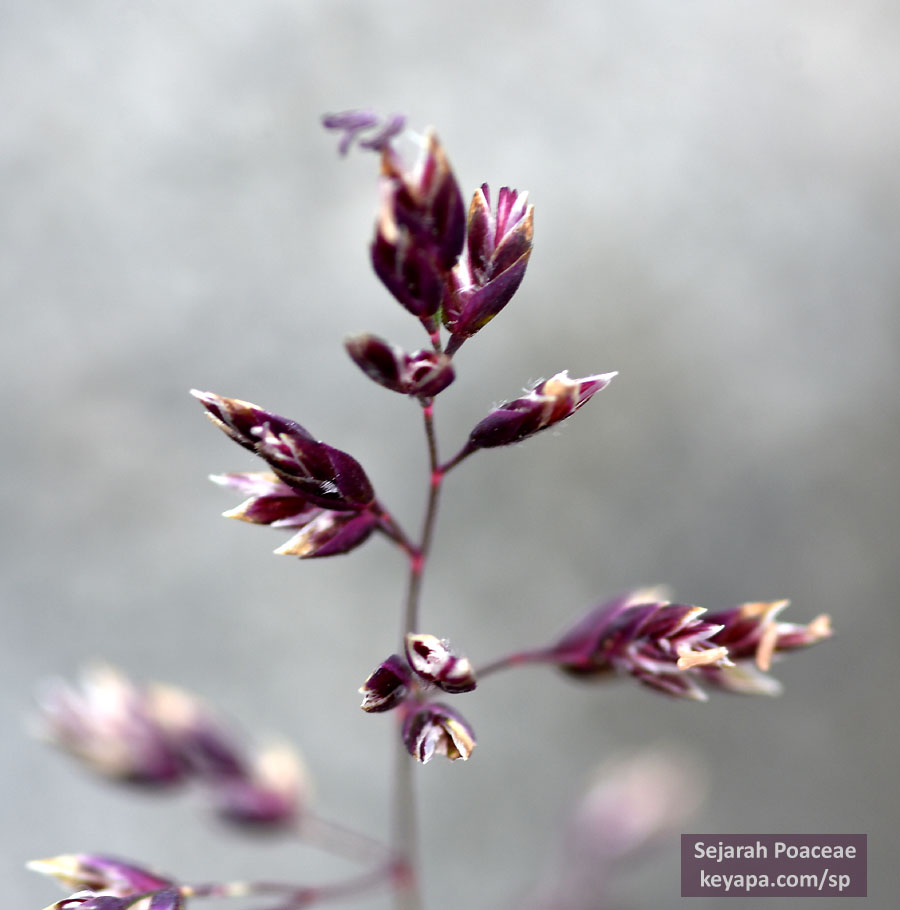
Nearer the town center of Akureyri, I found various other specimens, including what I took to be another Poa sp, (Poa glauca?). Unlike the previous species, this one had the usual florets in the spikelets, although it was still a vibrant purple in color.
After our stop at Akureyri, the ship traveled along the coast of Iceland towards the more southern town of Ísafjörður.
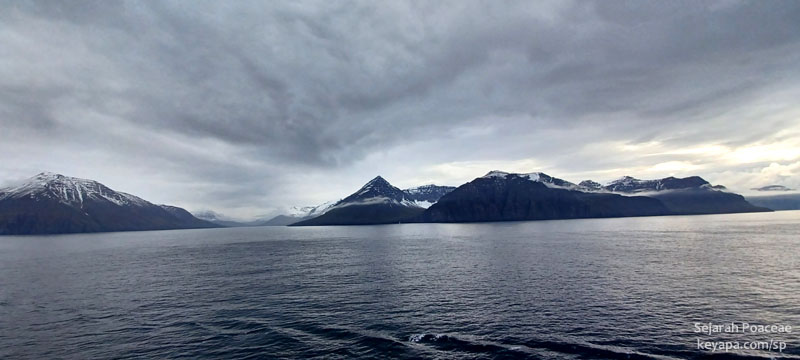
This was an almost magical journey, with majestic snow-topped mountains passing on both sides of the ship.
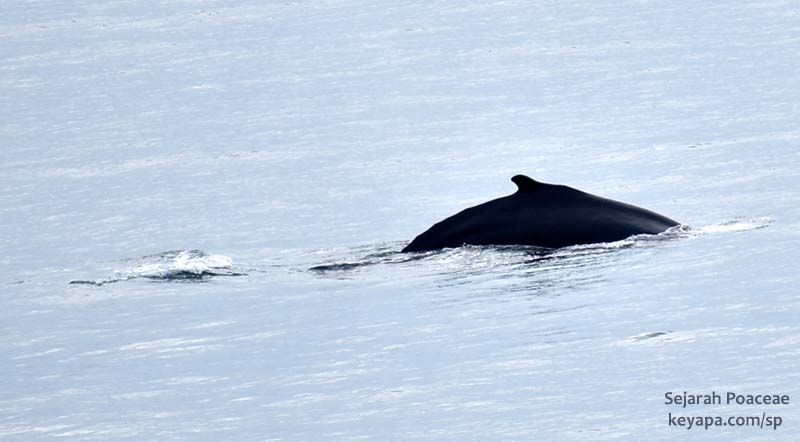
There were even multiple pods of whales that followed the ship for awhile, much to the enjoyment of passengers.
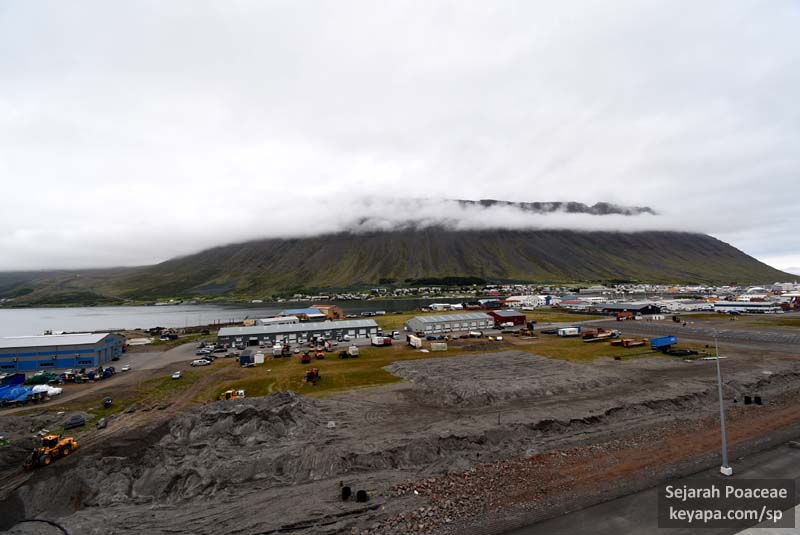
The town itself was located below a large cloud-topped mountain, which had trails crossing it along the lower parts. After walking through the outskirts of the town, we climbed up to an observation deck on the flank of the mountain that gave an amazing view of Ísafjörður. Then we hiked along a dirt track that was bordered by grasses, forbs, and especially a legume called Lupinus nootkatensis with blue flowers.
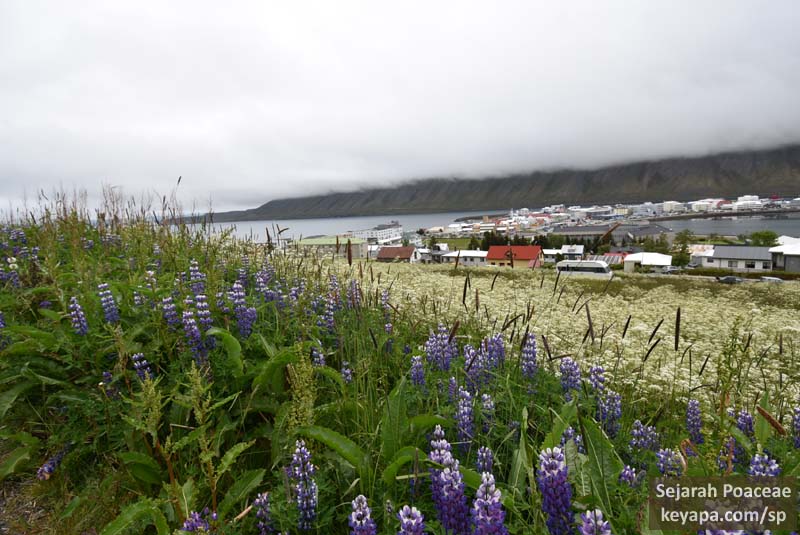
One of the most common grass species along the trail was the C3 species Alopecurus pratensis, which was present in large masses along the hiking trail.
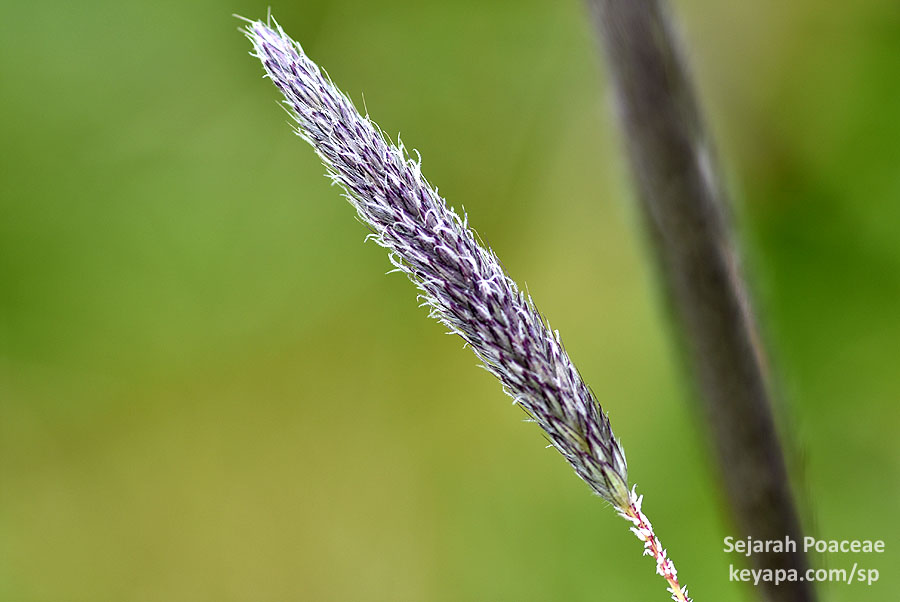
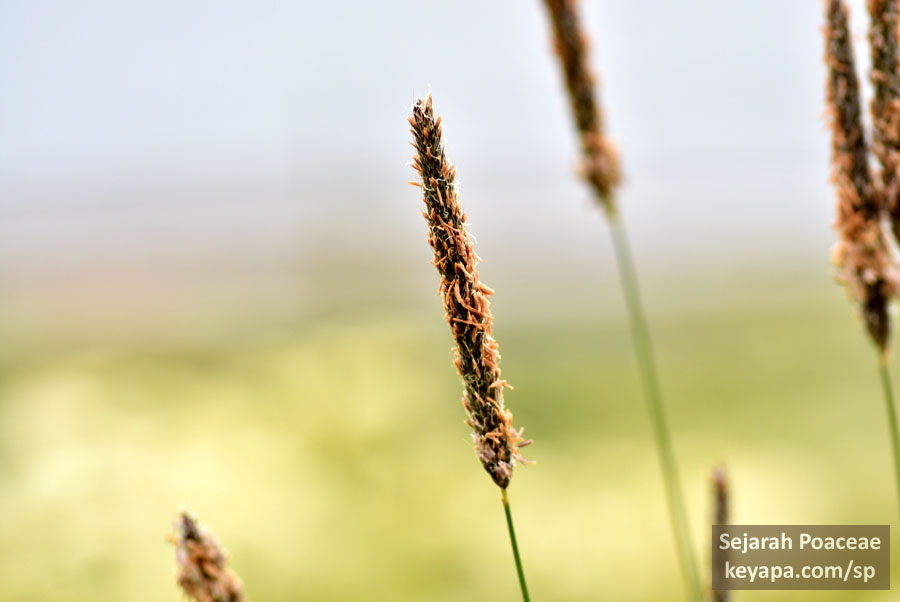
A. pratensis vied with the the legume L. nootkatensis as the dominant along the sides of the trail at the higher points of the hike, although the latter definitely was the more noticeable to people, simply due to its bright blue flowers.
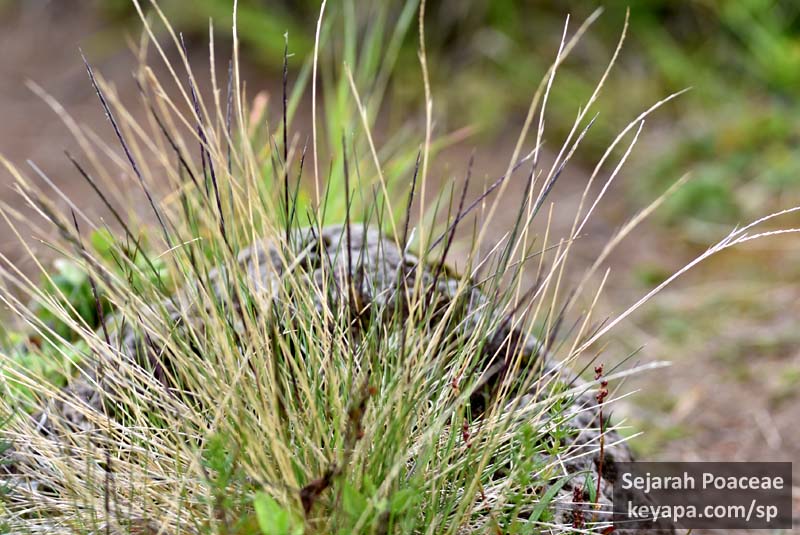
I also finally found the smaller grass species Nardus stricta along the trail. This species is quite easy to identify when in flower, due to the remarkably distinct inflorescence. Like all the other species I highlighted so far in this trip, it is a cool season C3 grass from the large subfamily Pooideae.
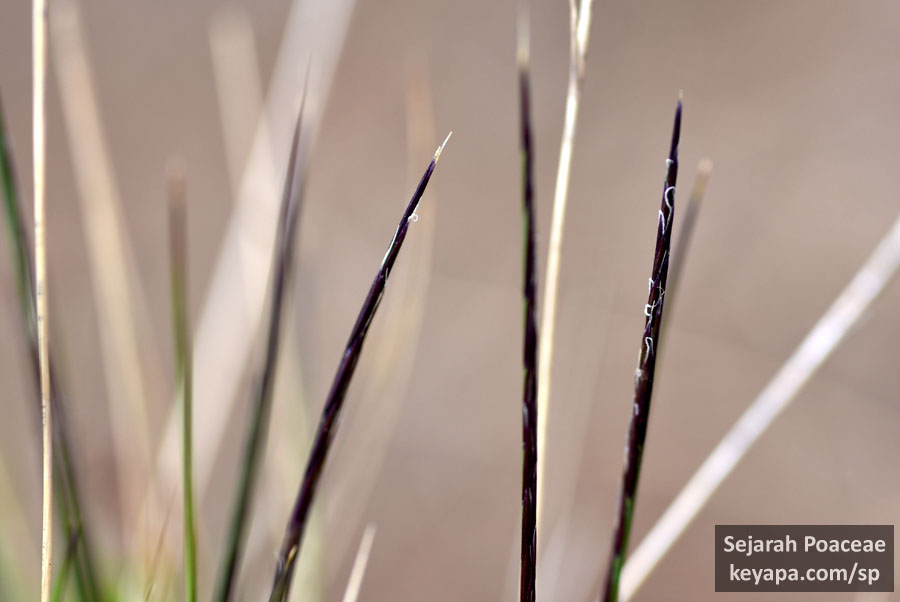
Anthoxanthum odoratum was also in evidence along the trail as it wound along the side of the mountain. This was a species that I first encountered in Maloy, Norway, earlier in this trip, and I was able to quickly identify it in the herbaceous layer.
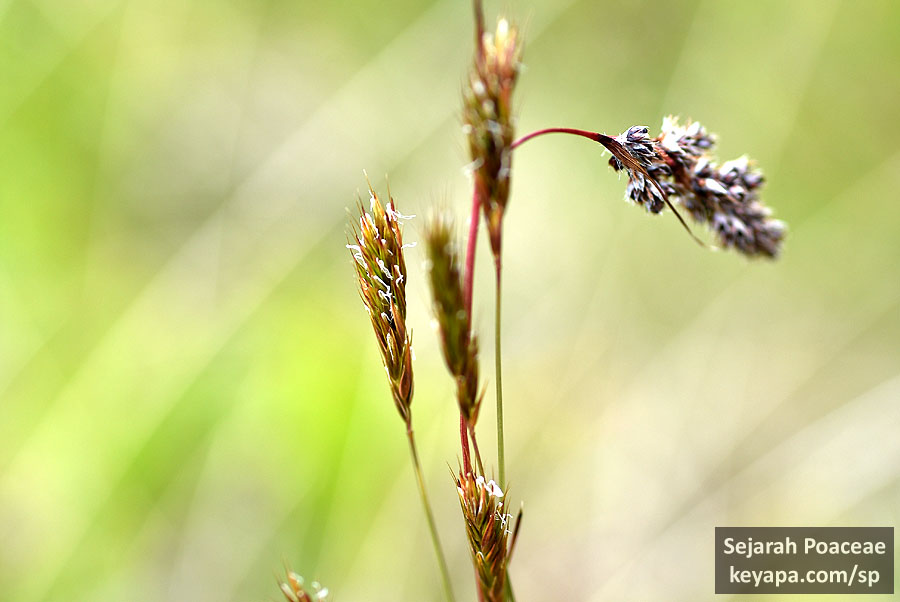
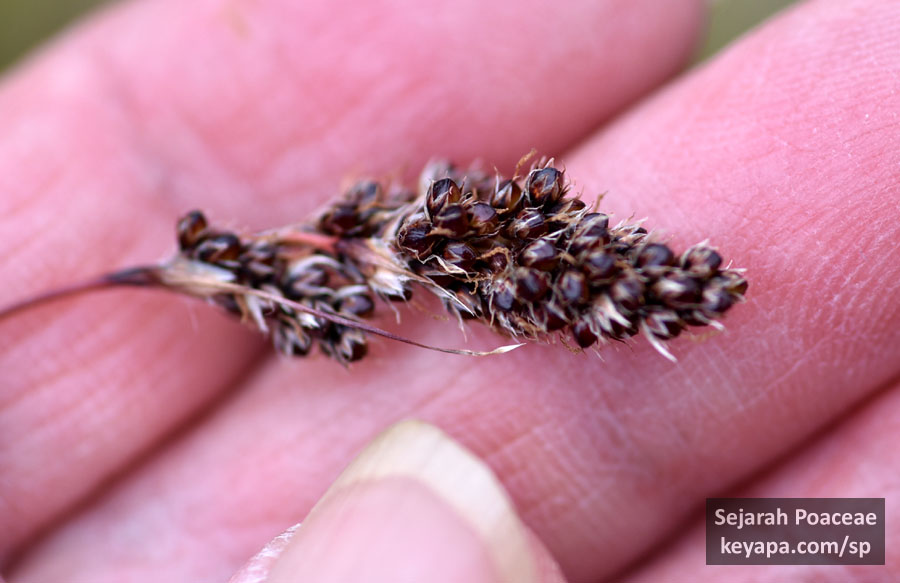
Interestingly enough, it seemed to display an inflorescence with dark seeds bursting out of its sides.
There were also specimens along the trail that at first I was figuring to be Deschampsia cespitosa, but which is probably Avenella flexuosa, a cool season C3 that I had seen before. Unfortunately, the pace of the hike did not allow me to linger too long at any one spot.
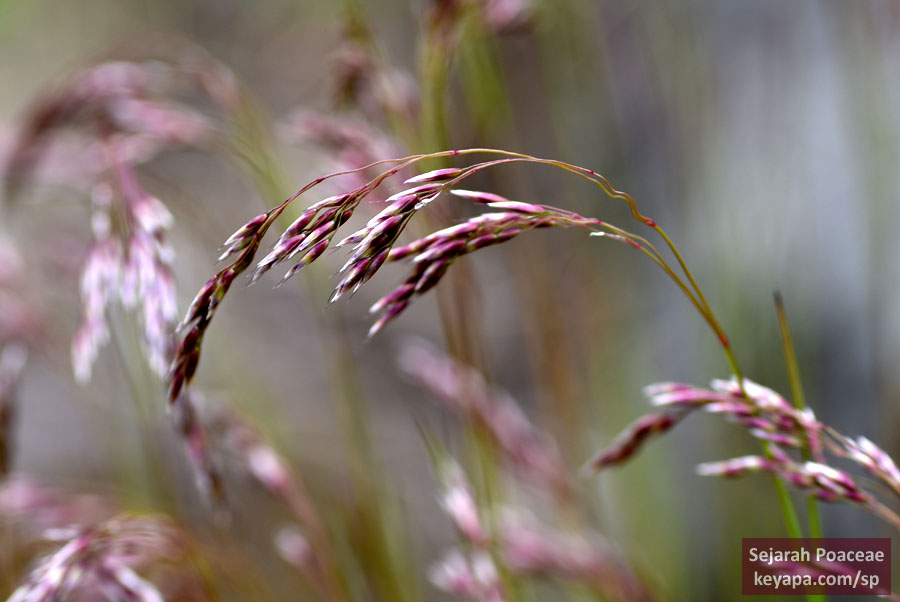
All in all, we spent maybe 2 hours walking the trail, and as we walked back to the cruise port after the hike, I also found sporadic instances of the handsome species Leymus arenarius. They were just as awesome to see as when I found a specimen among the rocks in Hverir in Akureyri.
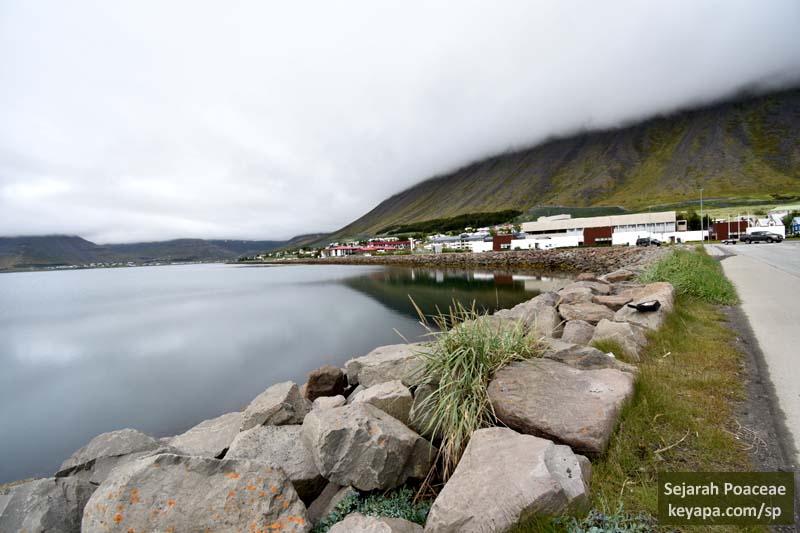
The departure from Ísafjörður marked the penultimate point of the entire journey, and I now looked forward to spending a couple of days enjoying the major Icelandic city of Reykjavík, which was our final destination.
Onward grassy soldier! On to the next discovery Opie!
Literature Cited:
Magnusson, Borgthor & Magnússon, Sigurður & Ólafsson, Erling & Sigurdsson, Bjarni. (2014). Plant colonization, succession and ecosystem development on Surtsey with reference to neighbouring islands. Biogeosciences. 11. 5521-5537. 10.5194/bg-11-5521-2014.
Leave a Reply