
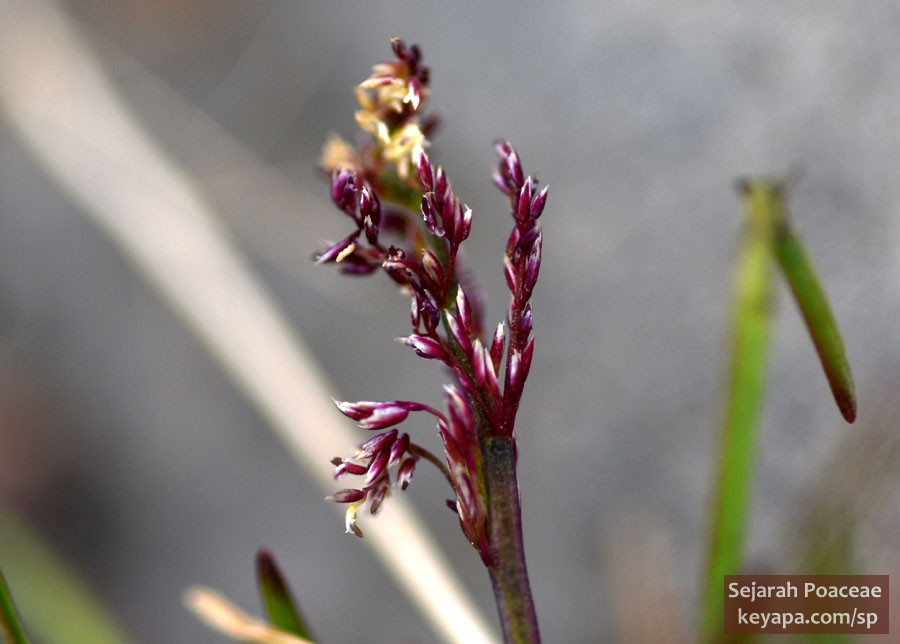
Important: Apologies, but unfortunately, due to damage to my flash during the last hike, macrophotographs taken were of subpar quality when lighting was low.
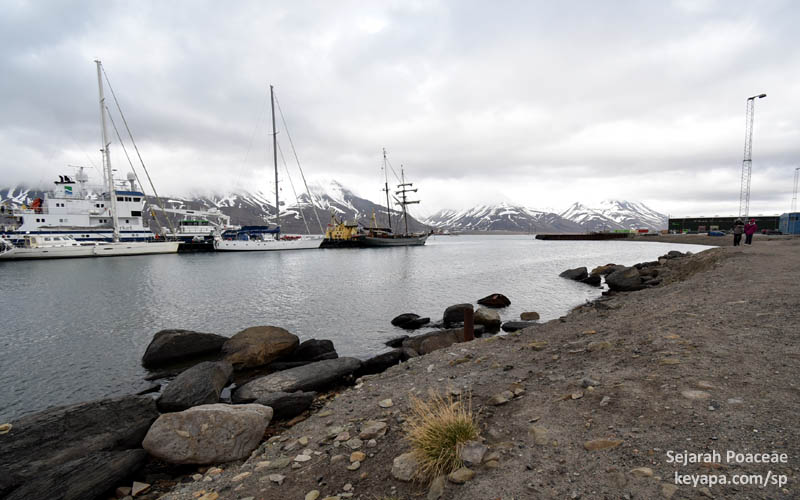
The town of Longyearbyen in the archipelago of Svalbard lies above 78 degrees North, and is thus firmly within the Arctic Circle. In fact, it is considered to be the world’s northernmost human settlement with more than 1000 inhabitants!
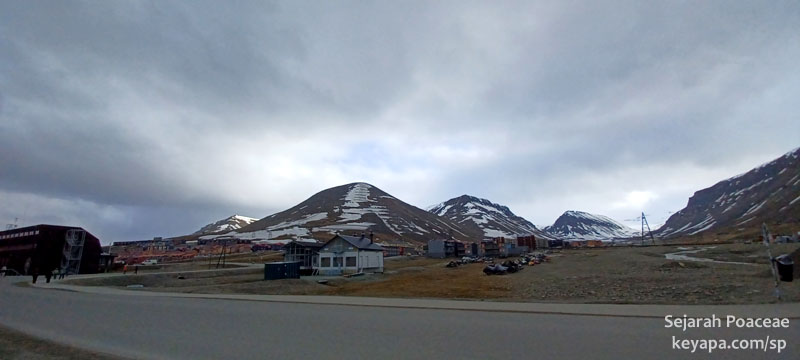
i was sick when we docked at the port, but I managed to slowly walk about 500 meters into the outskirts of the town center from the cruise port. Nearly barren mountains surrounded it, and my first impression of the place was that it had a rough and unfinished look. The homes were neat and looked great, and it had a huge museum at the periphery, but it looked like a rather barebones settlement, at least when compared to the more populous towns I had visited to the south.
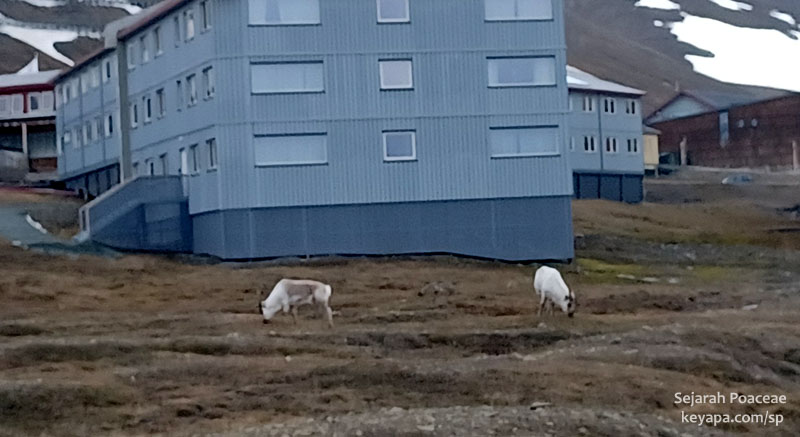
I was not able to travel far, but i did manage to encounter and photograph some grasses. Not to mention reindeer grazing in the grasses round some residential apartments!
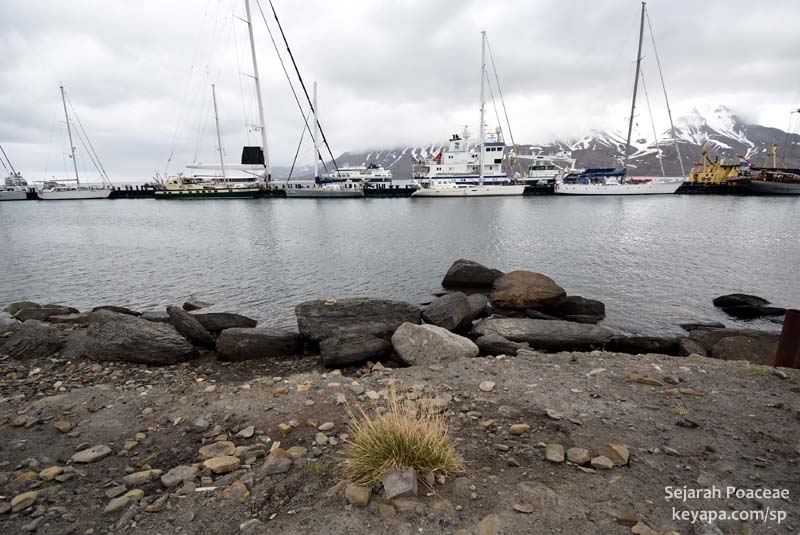
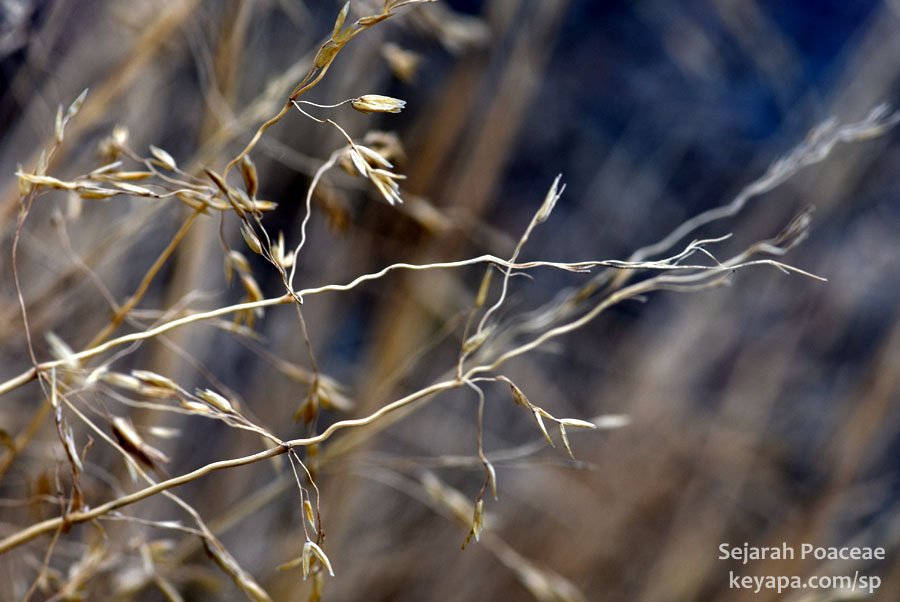
A lot of the newly-emerged species had last year’s dried growth on them, and most were what I took to be Poa glauca , a cool season C3 genus in the subfamily Pooideae.
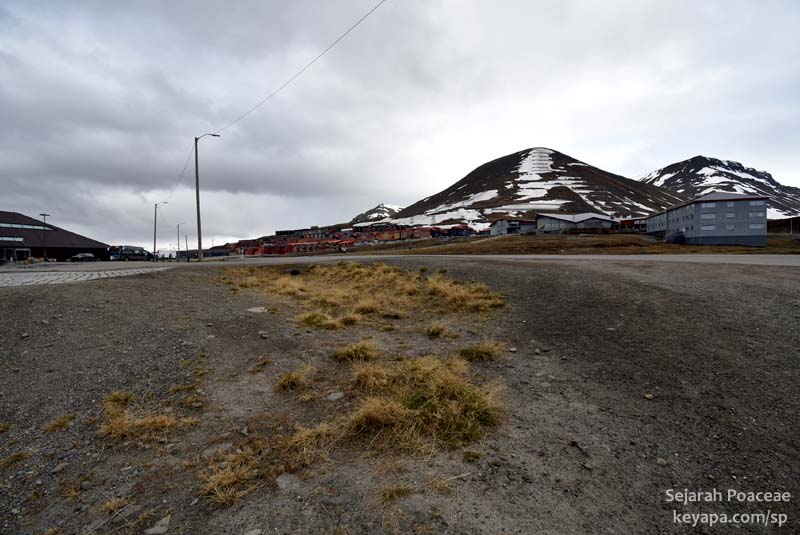
It was probably the more common species near the port, with clusters of the grass dotting the otherwise bare landscape.
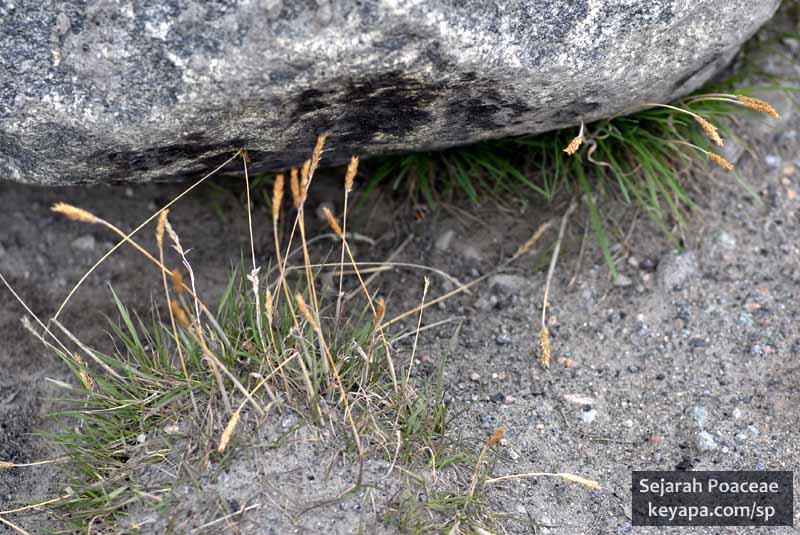
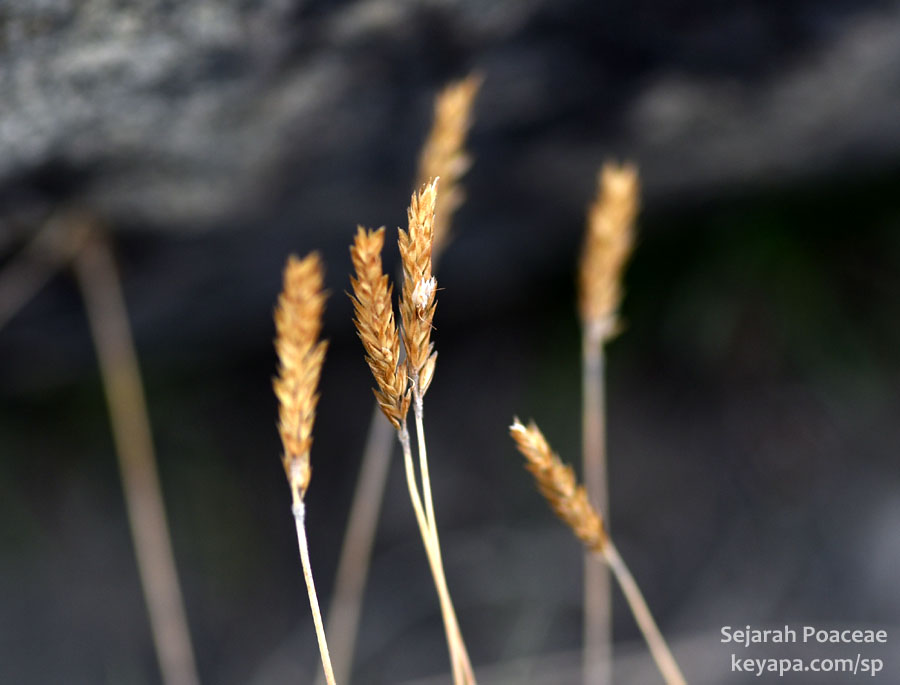
A less common species I encountered was sheltered under the protective awning of some big rocks, and I tagged it as Trisetum spicatum. Like pretty much all the species I have encountered during this trip, it is a C3 cool season grass from the Pooideae. This is because the cooler climes of the world are dominated by C3 grasses, as explained earlier.
This species seems to be quite a bit more rare, and I only saw it once during my somewhat sickly walk in the cold, rainy, miserable weather.
But on the way back to the port I discovered something that excited me. There was a cluster of tiny bunch grasses in sight of the cruise ship, with the largest being only 10 cm in diameter.
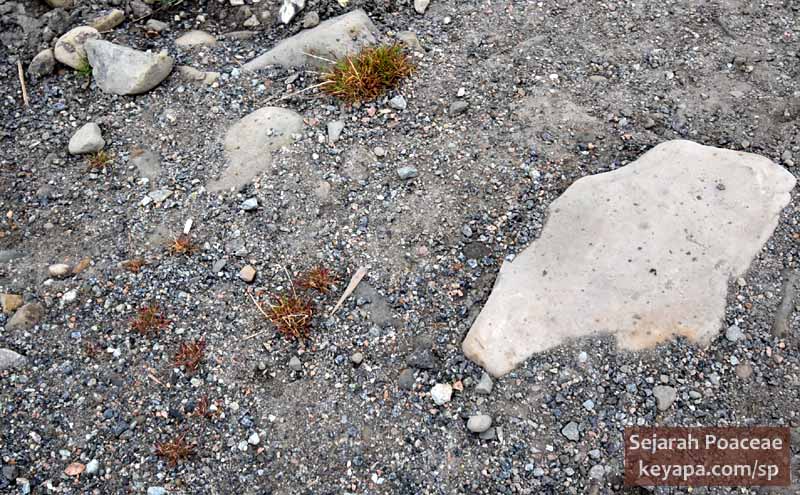
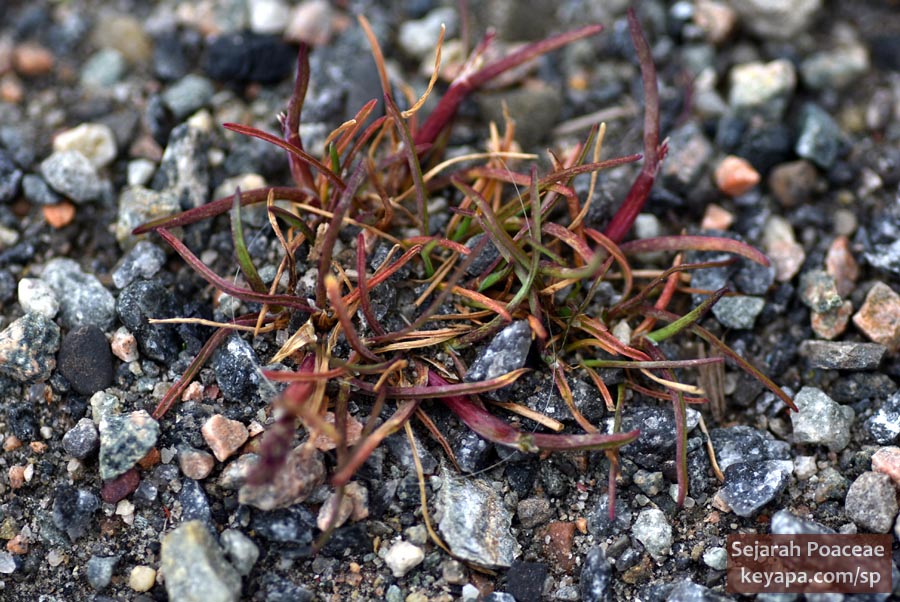
I then spent the next hour or so trying to take good pics of the tiny critters, because they seemed to be of the genus Phippsia, perhaps Phippsia algida. This is a genus of arctic and alpine grasses that look kinda like Poa sp, but are a bit more rare.
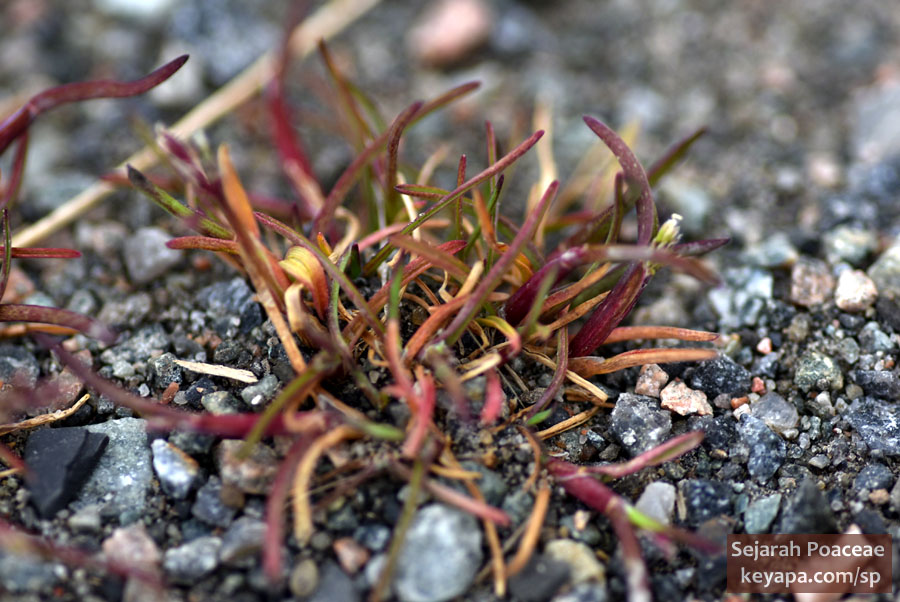
They looked awesome in the dim light, with fat leaves tightly curling in all directions, and sporting reddish tinges that made them stand out from the other greenery.
Sometimes I hear about orchid lovers exclaiming over some orchid find, and I can understand their enthusiasm given the relative paucity of many orchids. The Poaceae, in contrast, are often dominant features of the landscape, and so one would think grass enthusiasts would rarely indulge in such deep displays of surprise and passion.
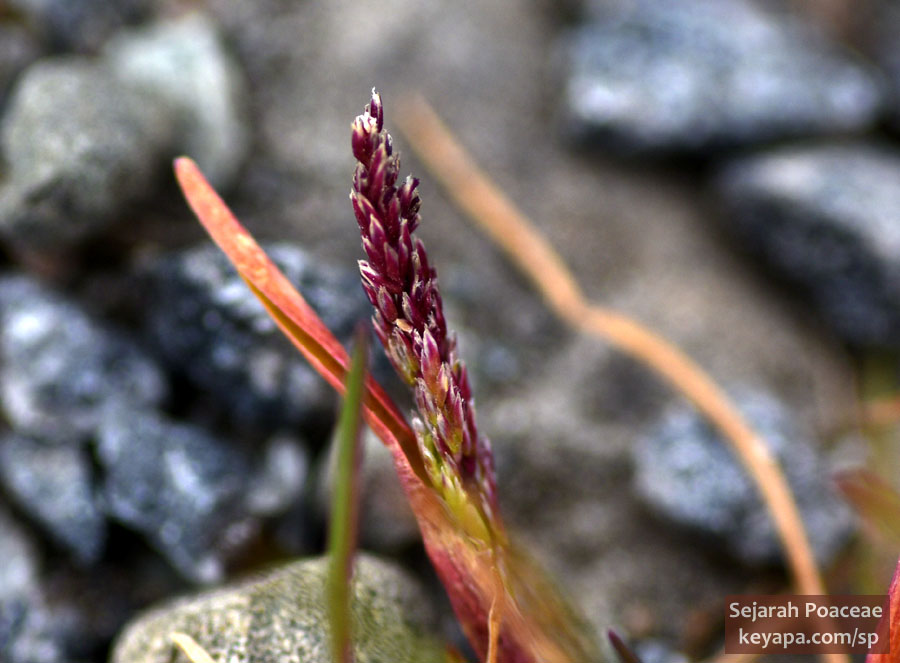
But I had never encountered this species before, and although they may not be very rare where they are native, I nevertheless experienced a bout of amazement and surprise and gratitude over my find (especially since I was not expecting to find them this early in the season).
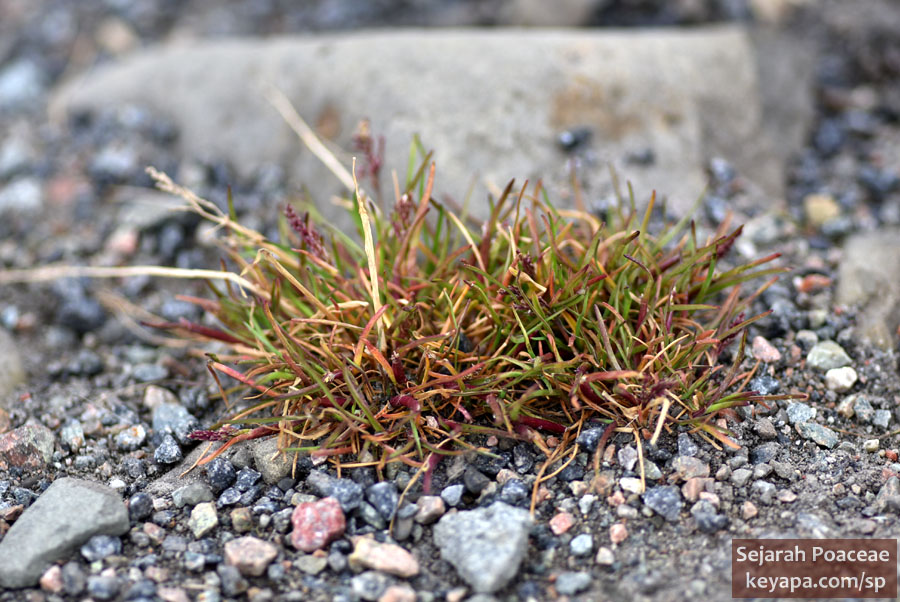
And so even though I was still somewhat sick, I left Longyearbyen happy and satisfied, newly-invigorated in my quest to find other species of arctic grasses in the coming days ahead.
Leave a Reply