
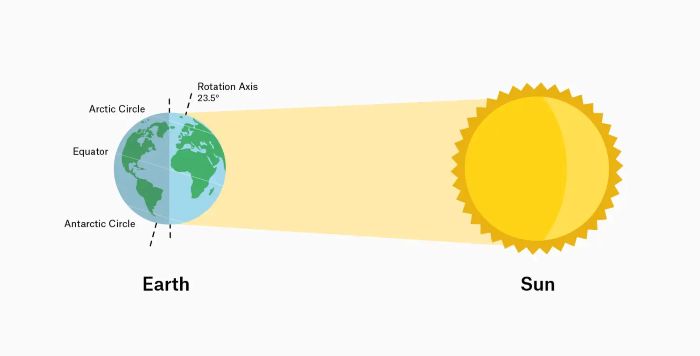
We are on a northward journey to the arctic circle, where the sun never sets during summer, and this phenomena is called the midnight sun or the polar day. It happens because the earth is tilted slightly as it rotates and revolves around the sun.
This journey by plane and ship began in Copenhagen, Denmark, where the hotel we stayed in had a nearby parking lot that brimmed with grasses.
Some were species that are pretty much everywhere, which is probably a common “complaint” of grass scholars who would rather see myriad diversity every time they go somewhere else.
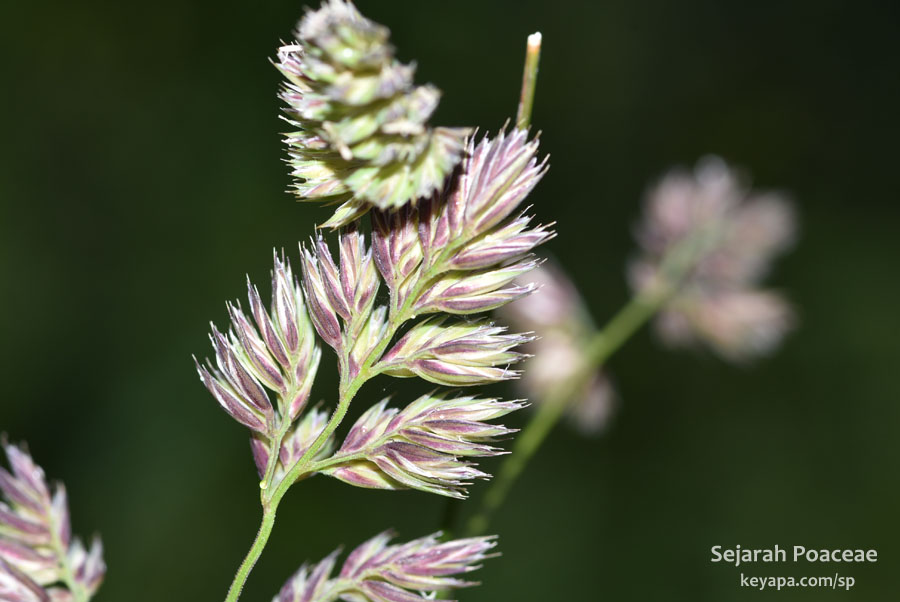
For example, Dactylis glomerata was in abundance where-ever I walked in the city, in addition to the hotel parking lot. This cool season C3 species is native to the area, but has been introduced around the world, and is invasive in some. Some of its common names include orchard grass, cock’s foot, and cat grass.
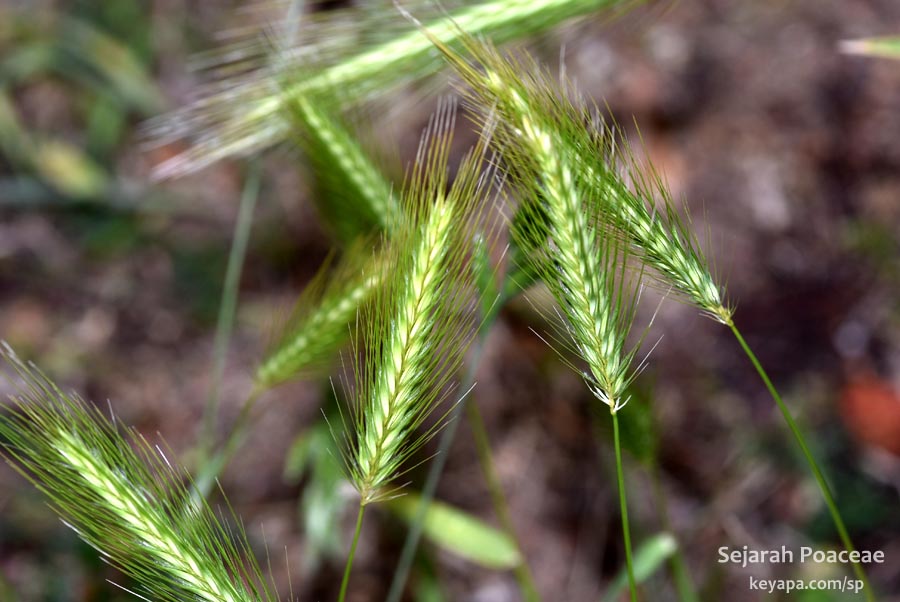
I also encountered many clusters of what i identified as possibly Hordeum murinum in the lot. They look like an Elymus spp, or a truncated Taenitatherum caput-medusae. This is another native cool season C3 grass whose common names include wall barley and false barley.
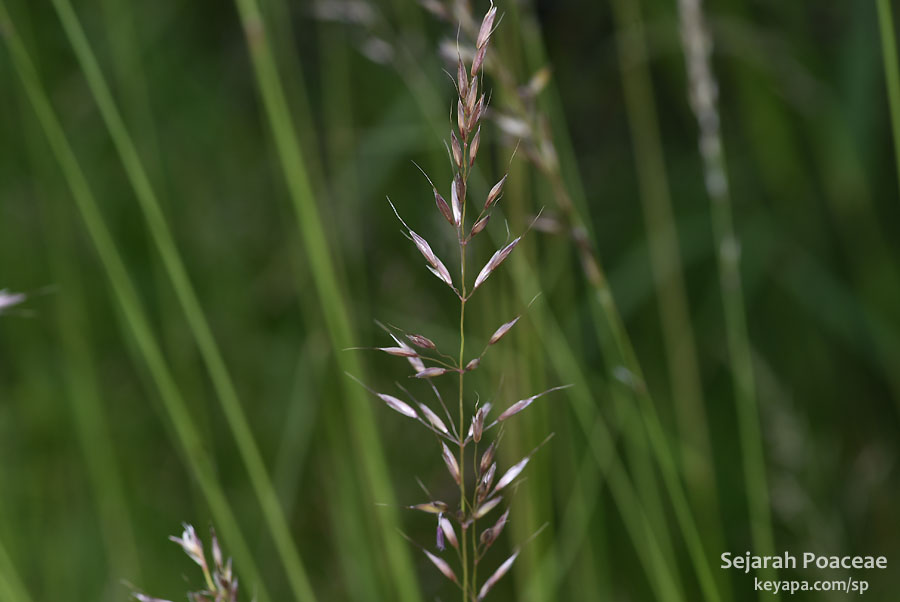
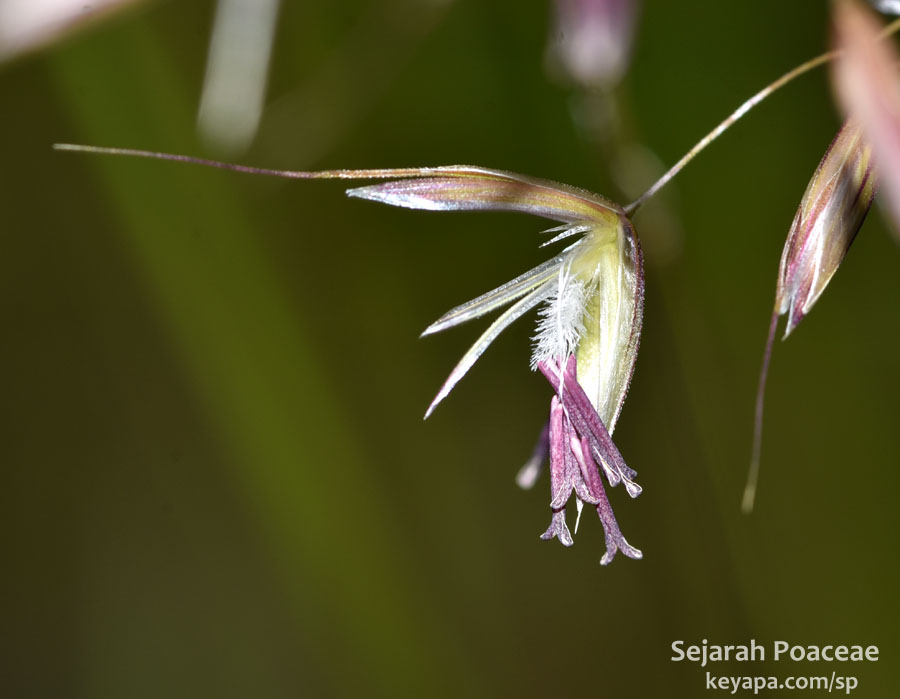
But possibly the most striking species I saw in the lot (at least when magnified!) was about waist high and had vivid purple inflorescence. iNaturalist helped identify it as Arrhenatherum elatius, and it is again a cool season C3 grass that is native to the area.
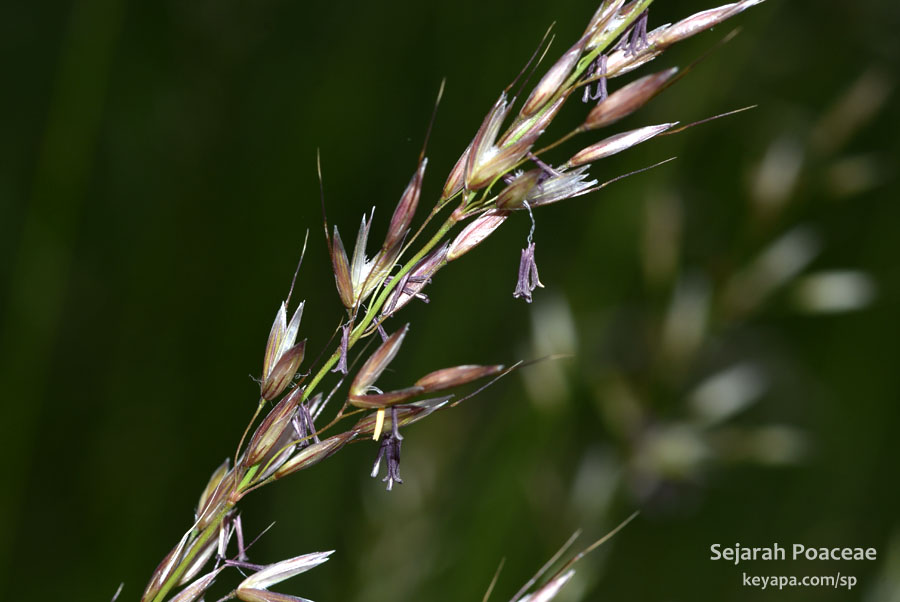
The panicle of this relatively tall grass contained a lot of individual spikelets that reminded me of Avena species, which explains some of the common names, such as false oat-grass, and tall oat-grass. Like the other grasses in the parking lot, it is a cool season grass from the subfamily Pooideae.
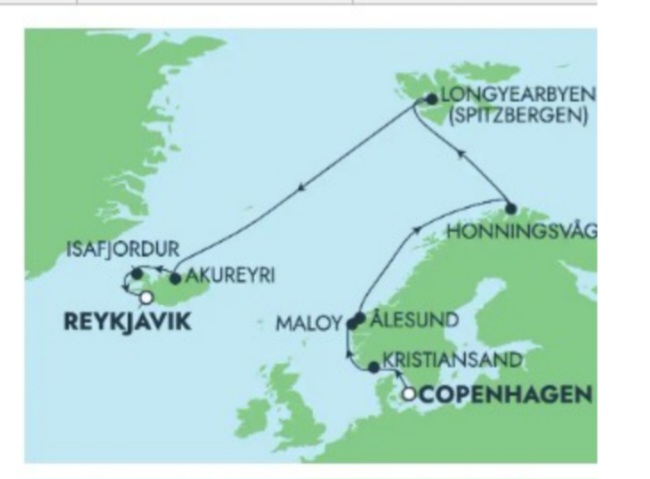
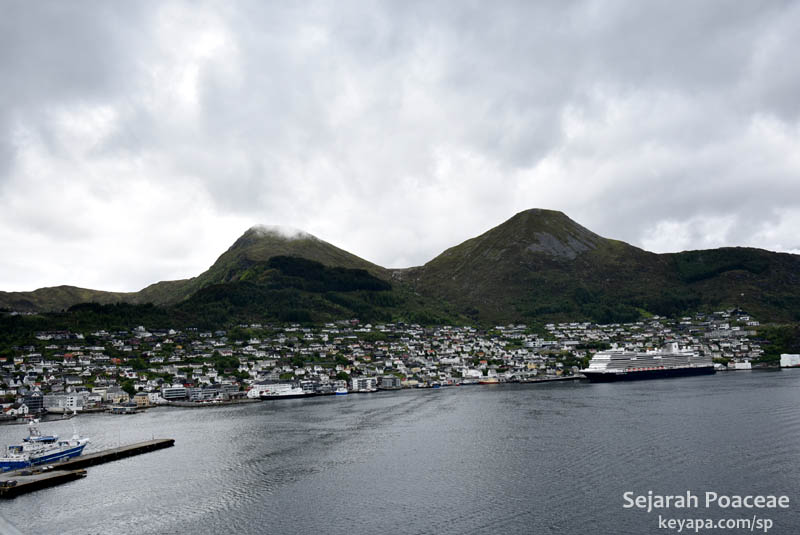
From Denmark we first visited the Norwegian town of Måløy. This town sits at around latitude 62 degrees North, and at this point in time sunrise was an amazing 4 am in the morning, while sunset occurred at around 11 pm (23:00 hours) at night!
While hiking to the town from the port (long story), I came upon an interesting tall granitic rock wall that had tons of vegetation clinging on its wet surface.
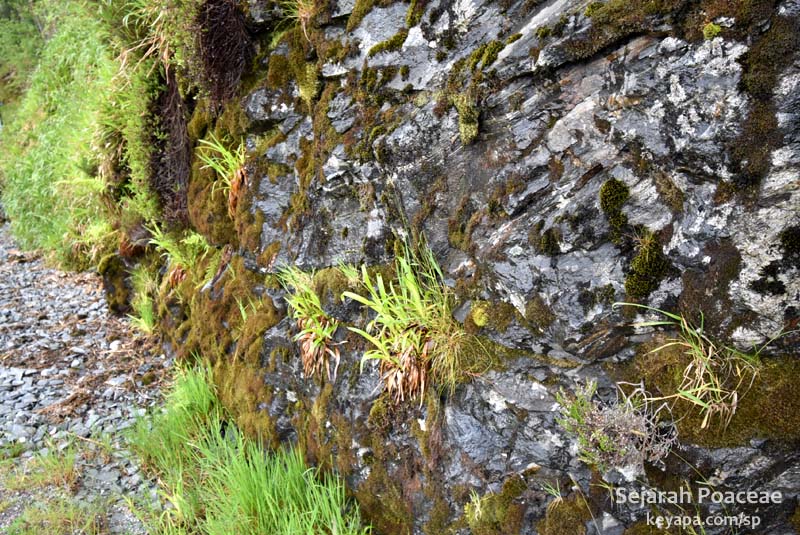
Among the various lichen, mosses, and other herbaceous flora that clung to the wall, I met for the first time what i took to be specimens of the wide ranging species Anthoxanthum odoratum.
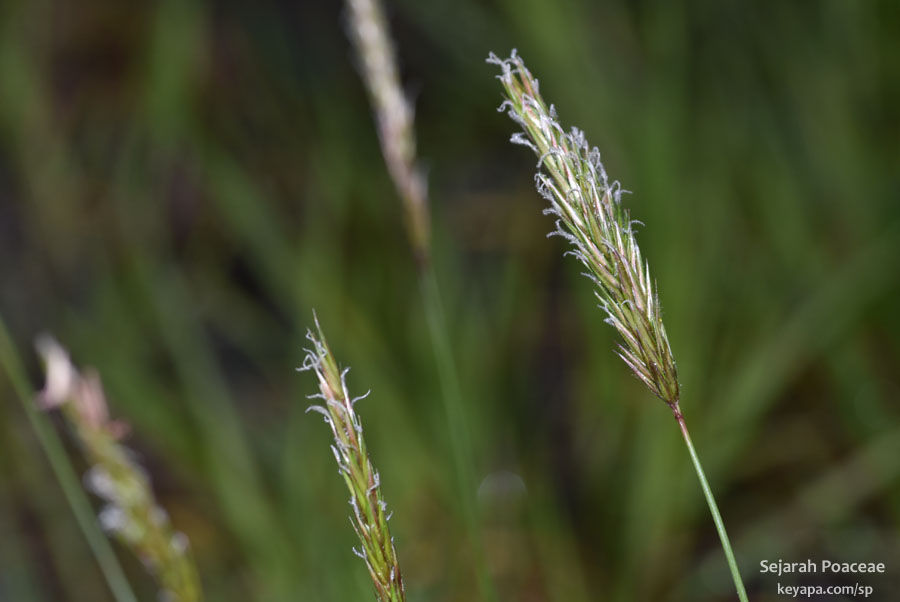
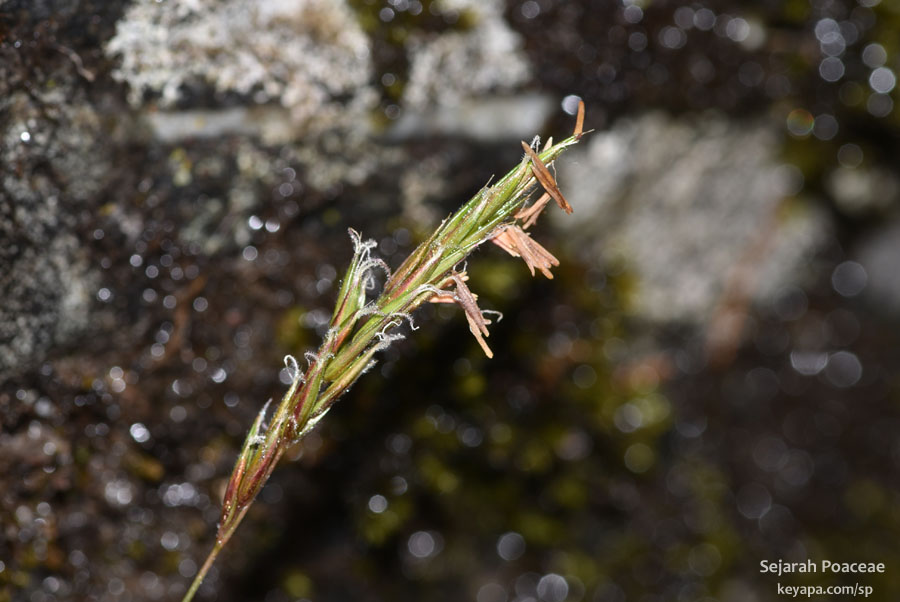
A. odoratum is a C3 cool season grass that is native to the area, but has been introduced to many other countries and continents. Its name is particularly apt because it gives off a strong scent due to the coumarin that it contains, and this extends to its common name of sweet vernal grass.

A day later, we visited an even more northerly town called Alesund, where we hiked a 314 meter high mountain called Sukkertoppen, which translates to Sugar Peak. This relatively short hike had an amazing payoff at the end, with a rocky top that allowed a 360 degree view of the surrounding lands and water, including the town itself.
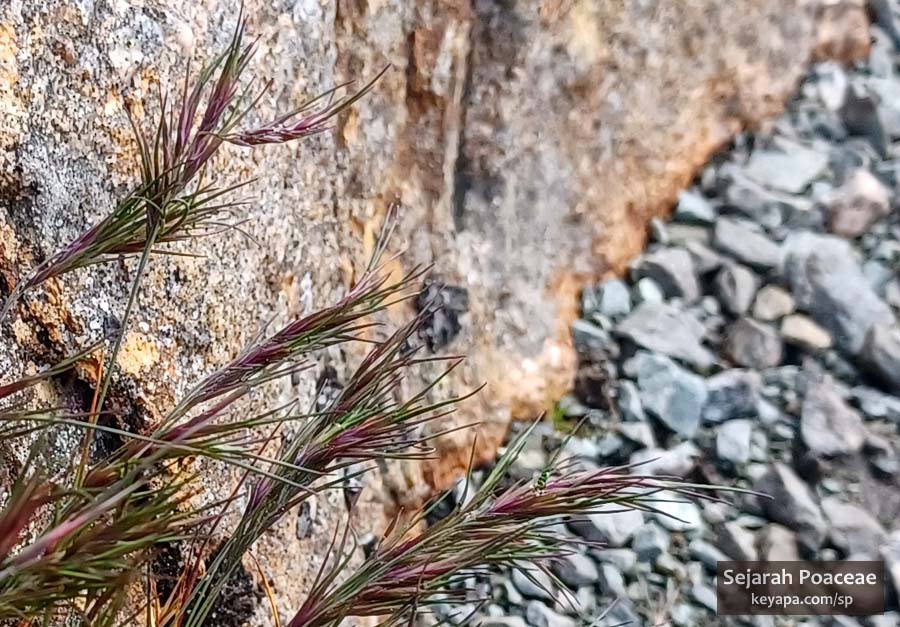
Unfortunately, I did not have my DSLR camera and macro lens with me, but i did manage to capture a phone pic of a specimen of what I took to be Festuca vivipara at the very peak. Like all the others, this is a cool season C3 grass and a member of the subfamily Pooideae, and it looked pretty cute peeking out from under the shelter of a large rock.
Although it is a fairly common native grass, i had not seen it before, and so it was the perfect cherry on top of a very rewarding hike. Later that night, as we sailed ever more northward, I thought about this species and the possibility of seeing even more specimens that I’ve never seen before.
Onwards grass soldier! March on Opie! New discoveries await you!
Leave a Reply